Звичайний інструмент
Автоматизовані системи — це звичайні інструменти
Автоматизовані системи тепер перебувають між вами та майже всім: вони керують вашими фінансами, визначають, що ви читаєте, сортують заявки на роботу, оцінюють тести, рекомендують ліки та створюють тексти. Цей урок розглядає їх не як окремий предмет, а як те, чим вони є насправді: швидкий, потужний і дедалі домінуючий клас інструментів.
У інструмента є ручка та різальна частина. Ручка робить його корисним; різальна частина — це те, чим він може вас поранити. Калькулятор, пошуковик та автоматизований асистент мають спільну умову: вони виконують роботу за вас, але можуть впевнено виконати неправильну роботу, і ви можете цього не помітити.
Компетентні люди не питають: «Чи слід мені користуватися інструментами чи ні?». Вони ставлять три точніші запитання: Що я маю доручити? Як я перевіряю результат? Хто несе відповідальність, коли щось піде не так? Саме ці три запитання становлять суть цього уроку.
Розминка
Перш ніж ми побудуємо фреймворк, давайте трохи замислимось.
Три критерії
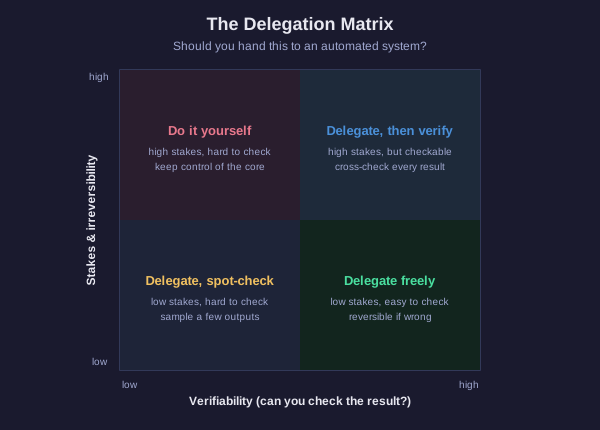
Ставка, Зворотність, Перевірюваність
Рішення про те, чи передати завдання автоматизованій системі, залежить від трьох властивостей завдання, а не від того, наскільки вражаюче виглядає система.
1. Ставка. Що станеться, якщо результат буде неправильним? Неправильна рекомендація пісні коштує вам трьох хвилин. Неправильна доза ліків, неправильна цифра в податковій декларації або неправильне медичне резюме коштує значно більше. Чим вища ставка, тим більше обережності потрібно.
2. Зворотність. Чи можна скасувати поганий результат? Чернетку, яку можна переписати, можна змінити назад. Платіж, який ви вже надіслали, повідомлення, яке вже доставлено, рішення, яке вже виконано: все це чинить опір скасуванню. Незворотність у поєднанні з високою ставкою — це зона небезпеки.
3. Перевірюваність. Чи можна насправді перевірити результат, порівнявши його з чимось незалежним? Якщо ви не можете відрізнити правильну відповідь від неправильної, делегування — це гра, а не скорочення шляху.
Прочитайте матрицю вище. Низька ставка та легко перевірити: делегуйте вільно. Висока ставка, але перевіряється: делегуйте, а потім перевіряйте кожен раз. Висока ставка та складно перевірити: залиште це на собі. Низька ставка, але складно перевірити: делегуйте та проводьте вибіркові перевірки.
Ранжування завдань
Ваша черга: ранжуйте чотири завдання
Ось чотири завдання, які ви могли б доручити автоматизованій системі:
- A. Сформулювати текст запрошення на сюрприз-вечірку для друга.
- B. Розрахувати остаточні цифри у податковій декларації вашої родини.
- C. Зробити зведення розділу, який ви повинні обговорити та захистити в класі завтра.
- D. Запропонувати десять пісень для плейлісту в дорогу.
Як автоматизовані системи дають збій
Чотири способи, якими вихідні дані можуть бути неправильними
Автоматизовані системи не зламуються, як програма, яка зупиняється та показує помилку. Вони дають збій, виглядаючи при цьому цілком нормально. Вивчіть ці чотири ознаки.
1. Самовпевненість, але хибність. Результат надходить плавним, оформленим і впевненим, і він просто хибний. Упевненість у подачі не дає жодної інформації про правильність. Хибна та правильна відповіді виглядають однаково довершеними.
2. Застарілі або упереджені дані. Система робить висновки на основі того, що їй було надано. Якщо ці дані застарілі, не репрезентативні або викривлені, результат успадковує цей недолік: ціни минулого року, навчальний набір, який недооцінює певну групу, стрічка, яка завжди показує лише одну сторону.
3. Нерозуміння наміру. Ви попросили про одну річ; система вирішила близьку, але іншу проблему. Ви хотіли зведення, яке зберігає контраргументи; воно дало вам зведення, яке їх згладжувало. Воно відповіло на запитання, яке ви не ставили.
4. Оптимізація не того. Система максимізує саме те, що їй було наказано, що не завжди є тим, чого ви хотіли. Стрічка, якій наказали максимізувати час перегляду, вчиться тримати вас у скролінгу, а не інформувати вас. Це найпідступніша помилка: система досягає своєї мети, але зраджує вас.
Ознакою для всіх чотирьох є одна й та сама дисципліна: ніколи не дозволяйте плавній подачі замінювати перевірку.
Зловити помилку
Ваша черга: Зловити правдоподібний результат
Інструмент для бюджетування надає вам таке резюме за минулий місяць:
'Загальні витрати: $1 200 за 30 днів. Ваше середнє денне значення становило приблизно $75 на день. Витрати виглядають під повним контролем.'
Інструмент звучить впевнено, а формат виглядає чистим.
Три способи перевірки
Додайте перевірку до ставок
Перевірка коштує часу, тому її масштабують відповідно до того, що ризикується. Надмірна перевірка плейлісту марнує ваше життя; недостатня перевірка медичного графіка ставить під загрозу життя когось іншого. Три інструменти, від найдешевшого до найретельнішого.
Вибірково перевіряйте. Випадково виберіть кілька вихідних даних та ретельно їх огляньте. Це добре підходить для роботи з низькими ставками та великим обсягом: якщо три з трьох вибраних елементів виглядають правильно, ви поширюєте обмежене довіру на решту.
Перевіряйте за незалежним джерелом. Підтвердіть результат за допомогою чогось, що не спирається на дані або припущення системи: іншого інструменту, офіційного запису, людини, яка знає. Незалежність — це вся суть; дві системи, що спираються на ті самі погані дані, збігаються, будучи при цьому обидві неправильними.
Перевіряйте на адекватність за тим, що ви знаєте. Порівняйте вихідні дані з фактами та приблизними масштабами, яким ви вже довіряєте. Ви виявили помилку в бюджеті саме таким чином: ви знали, що 1200 за 30 днів — це ніяк не 75. Це майже нічого не коштує і виявляє несподівано велику частку збоїв.
Правило: рівень верифікації зростає разом із ставками та незворотністю. Дрібні та зворотні дії потребують лише короткого огляду; дорогі та незворотні — незалежної перевірки щоразу.
Скільки перевірок?
Ваша черга: Дві задачі, дві перевірки
Автоматичний асистент готує для вас два тексти:
- А. Повідомлення другу з пропозицією зустрітися о 18:00 замість 17:00.
- Б. Щотижневий графік прийому ліків для вашого літнього діда, з вказівкою доз та часу.
Ти це опублікував — ти за це відповідаєш
«Система так сказала» — це не вирок
Ось правило, яке відрізняє професіонала від спостерігача: людина, яка публікує результат, несе за нього відповідальність. Коли ви надсилаєте, відправляєте або дієте на основі цього, воно стає вашим. Система, яка допомогла, — це лише інструмент, а інструменти не несуть відповідальності.
«Система так сказала» не спрацьовує як захист з простої причини: ви прийняли два рішення, які система не могла прийняти за вас. Ви обрали делегувати цю задачу, і ви обрали, наскільки ретельно перевіряти результат. Обидва рішення були вашими, тому наслідок — ваш.
Це не несправедливо по відношенню до вас; це те, що зберігає вас у контролі. Якби відповідальність могла перейти до інструменту, ніхто ніколи б нічого не перевіряв, і кожна помилка залишалася б без опіки. Власність — це ціна і винагорода за використання потужних інструментів.
Чия це вина?
Ваша черга: Групова робота
Ваша команда використала автоматизований інструмент для розрахунку цифр у звіті. Одна цифра була неправильною, ніхто її не перевірив, і команда втратила бали. Одинак зводить плечима і каже: «Інструмент дав нам це число, тож це не наша вина».
Тримайте руки в грі
Підтримка навичок та ілюзія компетентності
Одна небезпека ховається під усіма іншими. Якщо ви повністю делегуєте виконання певної навички, ви поступово втрачаєте здатність перевіряти інструмент, який вас замінює. Ви не можете виявити помилку в роботі, яку більше не можете виконати самостійно.
Спостереження за тим, як інструмент плавно виконує дії, породжує ілюзію компетентності: вам здається, що ви розумієте процес, оскільки готовий результат виглядає легким і очевидним. Але розпізнавання правильної відповіді, коли її вам подають, — це не те саме, що здатність самостійно її створити або перевірити. Відчуття розуміння випереджає реальну навичку.
Захистом є свідомість: продовжуйте виконувати достатню частину ключових завдань вручну, щоб залишатися гострими. Іноді виконуйте арифметичні дії самостійно. Іноді пишіть чернетку з нуля. Іноді читайте первинне джерело самостійно. Ви не є неефективними; ви підтримуєте саме ту здатність, яка дозволяє вам помітити, коли інструмент дає збій. Найкращі оператори автоматизованих систем завжди тримають свої руки в роботі.
Що ви візьмете із собою?
Остання думка
Зараз у вас є повна рамка: вирішуйте, що делегувати, оцінюючи ставки, зворотність та верифікованість; розпізнавайте чотири режими збою; верифікуйте пропорційно до того, що ризикується; беріть на себе відповідальність за все, що ви запускаєте; і тримайте власні навички гострими, щоб помічати інструмент.
Автоматизовані системи лише стануть більш здатними та більш вбудованими у ваше життя. Це робить цю рамку ціннішою з часом, а не менш цінною. Та, хто може мудро делегувати та добре верифікувати, має перевагу, яка не має строку дії.