مرحبًا بك
كيف يعمل التعلّم فعليًا
يدرس معظم الطلاب بالطريقة التي أُظهروها عليها: إعادة قراءة الفصل، تظليل الأجزاء المهمة، والمراجعة مرة أخرى للملاحظات. يبدو الأمر منتجًا. يبدو وكأنه تعلّم.
إليك الجزء المفاجئ. لقد قاس العلماء الذين يدرسون الذاكرة هذه العادات لعقود، وغالبًا ما تكون الأساليب الأكثر راحة هي الأقل تعليمًا. والأساليب التي تبدو أصعب غالبًا ما تعمل بشكل أفضل بكثير.
يمنحك هذا الدرس أربعة اكتشافات يمكنك استخدامها الليلة. أتقنها وستقضي وقتًا أقل في الدراسة وستتذكر المزيد.
طريقتك الحالية
قبل أن نبدأ، فكّر بصدق في الطريقة التي تستعد بها عادةً للاختبار.
اختبار نفسك يبني الذاكرة
الاكتشاف 1: استرجاع الممارسة
ممارسة الاسترجاع تعني سحب المعلومات من ذاكرتك بدلاً من إعادة إدخالها. إغلاق الكتاب ومحاولة استحضار الإجابة هي استرجاع. إعادة قراءة الإجابة ليست كذلك.
إليك تجربة مشهورة. درس مجموعتان نفس المقطع. أعادت المجموعة أ قراءته أربع مرات. قرأت المجموعة ب المقطع مرة واحدة، ثم مارست استحضاره من الذاكرة ثلاث مرات، مع إغلاق الكتاب. في اختبار بعد أسبوع، تذكّرت المجموعة ب الكثير: ليس قليلاً، بل بكثير.
لماذا يفوز الأسلوب الأكثر صعوبة؟ في كل مرة تسحب فيها ذكرى، يجب على دماغك إعادة بناء المسار إليها. إن فعل إعادة البناء هذا يقوّي المسار، تماماً كما أن المشي على مسار مرة أخرى يجعله أعمق. إعادة القراءة تتخطى إعادة البناء: تمر عيناك على الكلمات، لكن ذاكرتك لا تضطر أبداً للقيام بالعمل، لذا لا يتقوّى المسار أبداً.
القاعدة قصيرة. الاستحضار الجهداني يبني ذاكرة متينة. المراجعة السلبية لا تفعل ذلك.
اشرح الآلية
دورك
لا تكتفِ بتكرار أن الاختبار يعمل. اشرح السبب الكامن وراء ذلك.
وزّعها
الاكتشاف 2: التباعد
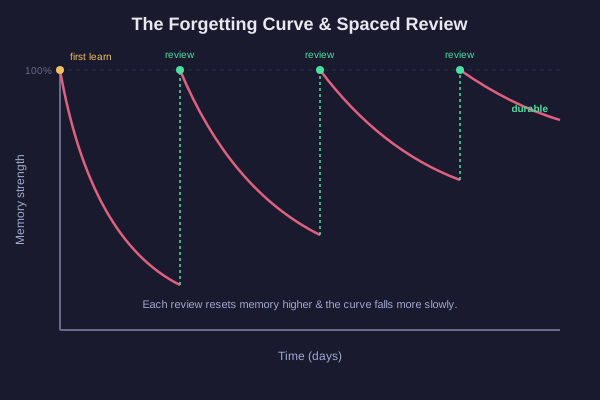
قبل أكثر من قرن، قاس باحث يُدعى هيرمان إبنهاوس ذاكرته الخاصة واكتشف منحنى النسيان. بعد أن تتعلم شيئاً، تتلاشى ذاكرتك له: بسرعة في البداية، ثم تصبح أبطأ. خلال يوم أو يومين، يتلاشى معظمه.
إليك الحيلة القوية التي يكشفها المنحنى. كل مرة تراجع فيها في اللحظة التي تبدأ فيها الذاكرة بالتلاشي، تعيد ضبط المنحنى إلى القمة، ويحدث الانحدار التالي بشكل أبطأ. راجع عدة مرات على مدار عدة أيام وتصبح الذاكرة متينة. انظر إلى المخطط: كل خط مراجعة أخضر يرفع المنحنى، وكل انخفاض جديد يكون أكثر استواءً من السابق.
هذا يفسر سبب فشل المذاكرة المكثفة. الدراسة لمدة خمس ساعات في الليلة السابقة تحشو كل شيء في نقطة واحدة على الخط الزمني. لا يوجد وقت لمراجعة ثانية تعيد ضبط المنحنى، لذا يتلاشى معظمه قبل الاختبار، ويتلاشى تقريباً كل شيء خلال أسبوع.
الحل لا يكلف ساعات إضافية. خذ تلك الخمس ساعات وزّعها: ساعة واحدة كل ليلة على مدار خمس ليالٍ. نفس الوقت الإجمالي، وذاكرة أكبر بكثير، لأن كل ليلة تعيد ضبط منحنى النسيان عند مستوى أعلى.
المذاكرة المكثفة مقابل التباعد
دورك
متى يكون الصعوبة أمراً جيداً
الاكتشاف 3: الصعوبة المرغوبة
يستخدم الباحثون عبارة مفاجئة: الصعوبة المرغوبة. بعض الصعوبة، والنوع الصحيح منها، يجعل التعلم راسخاً. الدراسة التي تبدو سلسة وسهلة غالباً ما تعلّم القليل جداً.
فكّر في السبب. عندما يبدو الاسترجاع سهلاً للغاية، فإن دماغك لا يبني شيئاً جديداً: إنه يسبح في تيار ذاكرة موجودة مسبقاً. عندما يبدو الاسترجاع صراعاً وتُصرّ على المضي قدماً، يقوم دماغك بالعمل الذي يُشكّل ذاكرة متينة. الصعوبة هي التعلم بحد ذاته.
هذا يقلب غريزة شائعة. إعادة القراءة حتى يبدو المألوف وكأنه تقدم، لكن الألفة رخيصة. الخطوة الإنتاجية هي جعل الدراسة أصعب قليلاً عمداً: أغلق الكتاب واسترجع المعلومات، غيّر ترتيب المسائل، وانتظر وقتاً كافياً حتى يتطلب الاسترجاع جهداً حقيقياً. يبدو الأمر أسوأ في اللحظة، لكنه يعمل بشكل أفضل في الاختبار.
يأتي مع ذلك تحذير. الصعوبة المرغوبة تعني الكمية الصحيحة من الصعوبة، أي الصعوبة التي يمكنك تجاوزها. الصعوبة المستحيلة، أو المواد التي لا يوجد فيها أي نقطة ارتكاز على الإطلاق، تُحبط فقط. الهدف يقع في المنطقة التي تتصارع فيها لكنك لا تزال قادراً على النجاح.
لماذا يبدو السهل جيداً لكنه يعلّم القليل
دورك الآن
التعرف ليس معرفة
النتيجة 4: وهم الكفاءة
إليك الفخّ الذي يُفشل الطلاب المتفوقين. عندما تعيد قراءة صفحة أو تتفقد مثالًا محلولًا، تبدو الكلمات مألوفة ويقول صوت داخلي: "نعم، أنا أعرف هذا". هذا الشعور هو وهم الكفاءة. فهو يخلط بين الاعتراف بالإجابة والقدرة على إنتاجها.
الاعتراف والإنتاج مهارة مختلفة. قراءة "عاصمة أستراليا هي كانبرا" والموافقة برأسك هي عملية اعتراف. أما أن يُعطى لك ورقة فارغة وتكتب "كانبرا" من ذاكرتك فهي عملية إنتاج. الاختبارات، والحياة الواقعية، تتطلب الإنتاج. إعادة القراءة تدرّب الاعتراف فقط، ثم تكافئك بثقة زائفة: تشعر بأنك مستعد بينما تبقى ذاكرتك فارغة.
هذا هو السبب الدقيق لأهمية ممارسة الاسترجاع. إغلاق الكتاب ومحاولة إنتاج الإجابة تكشف الحقيقة. إذا استطعت استرجاعها، فأنت تعرفها حقًا. وإذا لم تستطع، فأنت قد اكتشفت فجوة لم يرها القارئ العايد أبدًا.
نسخة حديثة من هذا الفخّ موجودة في كل مكان. عندما يمكن لتطبيق، أو آلة حاسبة، أو مفتاح إجابات، أو مساعد آلي أن يمدّك بالإجابة فورًا، يكون من المغري أن تدعه يقوم بالاسترجاع نيابةً عنك. يبدو الأمر كتعلم: تظهر الإجابة، تبدو صحيحة، وتنتقل للمتابعة. لكن ذاكرتك لم تضطر قط إلى تكوين المسار، لذا لا شيء يثبت. الأداة هي التي قامت بالاسترجاع؛ أما أنت فلم تفعل. استخدم هذه الأدوات للمراجعة بعد أن تحاول إنتاج الإجابة، وليس لتخطي المحاولة. الجهد الذي تتخطاه هو التعلم الذي تخسره.
شخّص عادة الدراسة
دورك: شخّص المشكلة
ما الذي ستغيّره؟
فكرة أخيرة
أنت الآن تمتلك أربعة اكتشافات لا يتعلمها معظم الطلاب أبدًا: ممارسة الاسترجاع تتفوق على إعادة القراءة، والتباعد يتفوق على الحشو، والصعوبة المرغوبة تتفوق على المراجعة السلسة، وخدعة الكفاءة تخدع الواثقين.
لاحظ الخيط الذي يربط بين الاكتشافات الأربعة. المسار المريح، إعادة القراءة، الحشو، المراجعة السهلة، ودع مساعدك يمدّك بالإجابة، يبدو وكأنه تعلّم لكنه يبني القليل. أما المسار غير المريح، الاسترجاع، التباعد، المعاناة، والمحاولة قبل التحقق، فيبدو أسوأ ويعمل بشكل أفضل.
الدراسة لا تتعلق بالساعات المسجّلة. بل تتعلق بما إذا كان دماغك يؤدي العمل. اجعله يعمل، وستتذكر.