მოგესალმებით
როგორ მუშაობს სწავლა სინამდვილეში
უმეტესობა სტუდენტი სწავლობს ისე, როგორც მას აჩვენეს: კვლავ კითხულობს თავს, ხაზს უსვამს მნიშვნელოვან ნაწილებს, კიდევ ერთხელ გადახედავს ჩანაწერებს. ეს პროდუქტიულად გამოიყურება. ეს სწავლად მოეჩვენება.
აქ არის გასაკვირი ნაწილი. მეცნიერები, რომლებიც მეხსიერებას იკვლევენ, ათწლეულების განმავლობაში ზომავდნენ ამ ჩვევებს, და ყველაზე კომფორტული მეთოდები ხშირად ყველაზე ნაკლებს გვასწავლიან. მეთოდები, რომლებიც უფრო რთულად გრძნობენ თავს, ხშირად ბევრად უკეთ მუშაობენ.
ეს გაკვეთილი გაძლევთ ოთხ მნიშვნელოვან დასკვნას, რომლებიც დღესვე შეგიძლიათ გამოიყენოთ. დაეუფლეთ მათ და თქვენ ნაკლებ დროს დახარჯავთ სწავლაში, მაგრამ ბევრად მეტს დაიმახსოვრებთ.
შენი მიმდინარე მეთოდი
სანამ დავიწყებთ, გულწრფელად იფიქრე, როგორ ემზადები ჩვეულებრივ ტესტისთვის.
თვითშემოწმება აძლიერებს მეხსიერებას
აღმოჩენა 1: გახსენების პრაქტიკა
გახსენების პრაქტიკა ნიშნავს ინფორმაციის მეხსიერებიდან ამოღებას, და არა მის ხელახლა ჩაყენებას. წიგნის დახურვა და პასუხის გახსენების მცდელობა არის გახსენება. პასუხის ხელახლა წაკითხვა კი არა.
აქ არის ცნობილი ექსპერიმენტი. ორი ჯგუფი სწავლობდა ერთსა და იმავე ტექსტს. ჯგუფმა A წაიკითხა იგი ოთხჯერ. ჯგუფმა B წაიკითხა ერთხელ, შემდეგ კი სამჯერ ივარჯიშა მის გახსენებაში მეხსიერებიდან, წიგნის დახურული. ერთი კვირის შემდეგ ჩატარებულ ტესტზე ჯგუფმა B ბევრად მეტი დაიმახსოვრა: არა ცოტა, არამედ ბევრად მეტი.
რატომ იმარჯვებს უფრო რთული მეთოდი? ყოველ ჯერზე, როდესაც მეხსიერებიდან ამოიღებ ინფორმაციას, ტვინს უწევს ამ გზის ხელახლა აგება. ეს აგების პროცესი ამაგრებს გზას — ისევე, როგორც ბილიკზე ხშირი სიარული ღრმავებს მას. ხელახლა წაკითხვა კი გამოტოვებს ამ აგებას: თვალები გადადის სიტყვებზე, მაგრამ მეხსიერებას არ უწევს მუშაობა, ამიტომ გზა არ ამაგრებულა.
წესი მოკლეა. ძალისხმევით გახსენება ქმნის გამძლე მეხსიერებას. პასიური გამეორება კი არა.
აღწერეთ მექანიზმი
შენი ჯერია
არ უბრალოდ თქვათ, რომ ტესტირება მუშაობს. აუხსენეთ მის უკან არსებული მიზეზი.
გაავრცელე დროში
აღმოჩენა 2: ინტერვალურობა (Spacing)
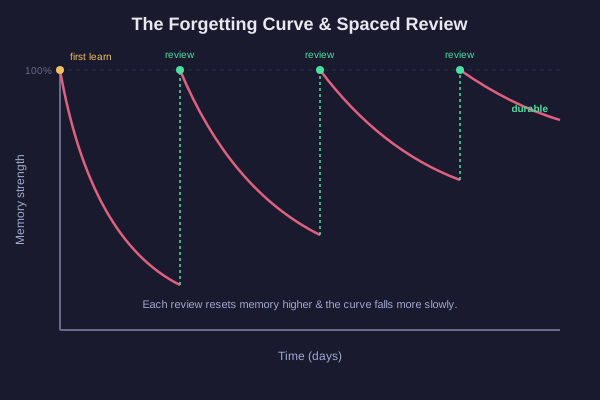
ზუსტად ერთ საუკუნეზე მეტი ხნის წინ მკვლევარმა ჰერმან ებინგჰაუზმა საკუთარი მეხსიერება გაზომა და აღმოაჩინა დავიწყების მრუდი. როგორც კი რაღაცას ისწავლით, თქვენი მეხსიერება მასზე სწრაფად ქრება — თავდაპირველად ძალიან სწრაფად, შემდეგ უფრო ნელა. ერთ-ორ დღეში მისი დიდი ნაწილი ქრება.
აქ არის ძლიერი ხრიკი, რომელსაც ეს მრუდი გვიჩვენებს. ყოველ ჯერზე, როცა მეხსიერება სწორედ მაშინ გაიმეორებთ, როცა ის ქრებოდა, თქვენ მრუდს თავიდან ზემოთ აყენებთ, და შემდეგი „სრიალი“ უფრო ნელა ხდება. რამდენჯერმე გაიმეორეთ რამდენიმე დღის განმავლობაში და მეხსიერება გამძლე ხდება. შეხედეთ დიაგრამას: თითოეული მწვანე გამეორების ხაზი მრუდს ზევით ასწევს, ხოლო თითოეული ახალი დაქვეითება წინააზე უფრო ბრტყელია.
ეს ხსნის, რატომ ვერ მუშაობს კრემინგი (cramming). ხუთი საათის განმავლობაში ყველაფრის ერთ ღამეს შესწავლა ყველაფერს დროის ერთ წერტილში აყენებს. არ რჩება დრო მეორე გამეორებისთვის, რომ მრუდი აღადგინოს, ამიტომ ტესტამდე მისი უმეტესობა ქრება, ხოლო კვირაში თითქმის ყველაფერი იშლება.
გადაჭრა დამატებით საათებს არ მოითხოვს. აიღეთ ეს ხუთი საათი და გაჭიმეთ: ერთი საათი ღამით, ხუთი ღამის განმავლობაში. იგივე საერთო დრო, მაგრამ გაცილებით მეტი მეხსიერება, რადგან ყოველ ღამეს დავიწყების მრუდი უფრო მაღლა იწევს.
კრემინგი თუ ინტერვალური გამეორება
შენი ჯერია
როცა რთული კარგია
მესამე დასკვნა: სასურველი სირთულე
მკვლევარები იყენებენ საოცრად საინტერესო ფრაზას: სასურველი სირთულე. გარკვეული სირთულე — სწორი ტიპის — ხელს უწყობს იმას, რომ ცოდნა დარჩეს. შესწავლა, რომელიც გლუვად და მარტივად მიმდინარეობს, ხშირად თითქმის არაფერს ასწავლის.
იფიქრეთ, რატომ. როდესაც გახსენება უპრობლემოდ მოდის, ტვინი არ ქმნის არაფერს ახალს: ის უბრალოდ მოძრაობს უკვე არსებულ მეხსიერებაზე. როდესაც გახსენება სირთულესთან არის დაკავშირებული და თქვენ მაინც აგრძელებთ, ტვინი აკეთებს იმ საქმეს, რომელიც ქმნის გამძლე მეხსიერებას. სირთულე თავად არის სწავლა.
ეს ცვლის ჩვეულ ინსტინქტს. მასალის მანამდე კითხვა, სანამ ის „ცნობილი“ არ გახდება, პროგრესად მოგვეჩვენება, მაგრამ ცნობადობა იაფია. პროდუქტიული გზაა შესწავლის 일부 ხელოვნურად გართულება: დახურე წიგნი და გაიხსენე, შეურიე პრობლემების თანმიმდევრობა, დაელოდე საკმარისად დიდხანს, რომ გახსენება რეალურ ძალისხმევას მოითხოვდეს. მომენტში უფრო ცუდად გრძნობ თავს, მაგრამ ტესტზე უკეთეს შედეგს იღებ.
ამას გაფრთხილება ახლავს. სასურველი სირთულე ნიშნავს სწორ რაოდენობის სირთულეს — იმ სირთულეს, რომელსაც შეგიძლია გაუმკლავდე. შეუძლებელი სირთულე, მასალა, რომელსაც საერთოდ არ გააჩნია საყრდენი, მხოლოდ იმედგაცრუებას იწვევს. სამიზნეა ის ზონა, სადაც იბრძვი, მაგრამ მაინც შეგიძლია წარმატების მიღწევა.
რატომ გვეჩვენება მარტივი კარგად, მაგრამ სწავლას ცოტას გვასწავლის
შენი ჯერია
ამოცნობა არ არის ცოდნა
აღმოჩენა 4: კომპეტენციის ილუზია
აქ არის ხაფანგი, რომელიც კარგ სტუდენტებს ამარცხებს. როდესაც თავიდან კითხულობ ფურცელს ან კვლავ გადახედავ გადაჭრილ მაგალითს, სიტყვები ნაცნობად გესმის და შინაგანი ხმა ამბობს: „დიახ, მე ეს ვიცი“. ეს გრძნობა არის კომპეტენციის ილუზია. იგი აბნევს პასუხის ამოცნობასა და პასუხის დამოუკიდებლად წარმოების უნარს.
ამოცნობა და წარმოება — სრულიად განსხვავებული უნარებია. წაიკითხო „ავსტრალიის დედაქალაქია კანბერა“ და თავი დაუქნიო — ეს არის ამოცნობა. მიიღო ცარიელი ქაღალდი და მეხსიერებიდან დაწერო „კანბერა“ — ეს არის წარმოება. ტესტები და რეალური ცხოვრება მოითხოვს წარმოებას. ხელახლა კითხვა მხოლოდ ამოცნობას ავარჯიშებს და შემდეგ გაჯილდოვებს ყალბი თავდაჯერებულობით: გგონია, რომ მზად ხარ, თუმცა შენი მეხსიერება ცარიელი რჩება.
სწორედ ამიტომ არის მნიშვნელოვანი გამოხსენების პრაქტიკა. წიგნის დახურვა და პასუხის დამოუკიდებლად წარმოების ცდა სიმართლეს გამოავლენს. თუ შეგიძლია გახსენება, მაშინ ნამდვილად იცი. თუ ვერ — უბრალოდ აღმოაჩინე ხარვეზი, რომელსაც ხელახლა მკითხველი ვერასოდეს ხედავს.
ამ ხაფანგის თანამედროვე ვერსია ყველგან გვხვდება. როდესაც აპლიკაცია, კალკულატორი, პასუხების გასაღები თუ ავტომატური დამხმარე მოგცემს პასუხს მყისიერად, მაცდურია მისცე მას შენთვის გახსენების საშუალება. ეს სწავლას ჰგავს: პასუხი გამოჩნდება, სწორად გამოიყურება და გადადიხარ შემდეგზე. მაგრამ შენს მეხსიერებას არასოდეს უწევია გზის ჩამოყალიბება, ამიტომ არაფერი იჭედება. ინსტრუმენტმა გააკეთა გამოხსენება, შენ კი არა. გამოიყენე ეს დამხმარეები მხოლოდ იმის შესამოწმებლად, რასაც უკვე სცადე დამოუკიდებლად წარმოება. არასოდეს გამოიყენო ისინი ცდის გამოსკრელად. ბრძოლა, რომელსაც გამოტოვებ, არის სწავლა, რომელსაც კარგავ.
შეისწავლე სასწავლო ჩვევა
შენი ჯერი: დააჯგუფე
რას შეცვლით?
ბოლო აზრი
ახლა ხელთ გაქვთ ოთხი დასკვნა, რომელსაც სტუდენტების უმრავლესობა არასდროს სწავლობს: გახსენებითი პრაქტიკა უფრო ეფექტურია, ვიდრე გადაკითხვა, ინტერვალებით გამეორება უფრო ეფექტურია, ვიდრე გაჯერება, სასურველი სირთულე უფრო ეფექტურია, ვიდრე მარტივი გადახედვა, და კომპეტენციის ილუზია ცრუებს თავდაჯერებულებს.
შენიშნეთ ძაფი, რომელიც ოთხივეს აერთიანებს. კომფორტული გზა — გადაკითხვა, გაჯერება, მარტივი გადახედვა, დახმარების მიცემა პასუხის სახით — გრძნობას ქმნის, რომ სწავლობ, მაგრამ ცოტას ქმნის. უხერხული გზა — გახსენება, ინტერვალებით გამეორება, ბრძოლა, პასუხის შემოწმებამდე მცდელობა — უფრო ცუდად გრძნობს თავს, მაგრამ ბევრად უკეთ მუშაობს.
კითხვა არ არის გატარებული საათების რაოდენობაზე. საქმე იმაშია, აკეთებს თუ არა შენი ტვინი რეალურად სამუშაოს. აიძულე იმუშაოს, და შენ დაიმახსოვრებ.