مرحباً بك
كيف تتعلم كيف تتعلم
يعتقد معظم الطلاب في دراستهم بنفس الطريقة التي يمارس بها معظم الناس تمارين على ساعة معطلة: بثقة، وبإعادة، وبخطأ. يعيدون قراءة الملاحظات، ويضعون خطوطاً تحت النصوص، ويشعرون بدفء الألفة الذي يخطئون في اعتباره إتقاناً.
على مدى العقود القليلة الماضية، أجرى علماء النفس المعرفي تجارب دقيقة حول كيفية تشكل الذاكرة فعلياً. كانت نتائجهم غير بديهية ومتسقة: طرق الدراسة التي تبدو أكثر إنتاجية غالباً ما تعلّمنا أقل، بينما الطرق التي تبدو أصعب تعلّمنا أكثر.
تغطي هذه الدرس أربعة مبادئ قائمة على الأدلة: ممارسة الاسترجاع، والتباعد والتناوب، والصعوبات المرغوبة، والمعايرة المعرفية. ثم ستصمم خطة دراسة يمكنك استخدامها فعلياً، وستواجه فخاً حديثاً يمكن أن يدمر قدرتك على التعلم بهدوء.
كيف تدرس الآن؟
قبل أن نبدأ، جردٌ صادق.
تأثير الاختبار
تأثير الاختبار
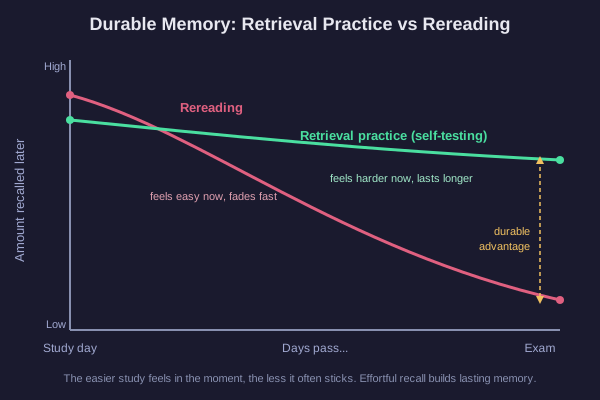
تخيّل مجموعتين تدرسان المقطع نفسه. تقرأ المجموعة أ المقطع أربع مرات. تقرأ المجموعة ب المقطع مرة واحدة، ثم تغلق الكتاب وتحاول استرجاعه ثلاث مرات، مع التحقق من الإجابات لاحقًا. بعد أسبوع، يخوض كلا المجموعتين اختبارًا.
تشعر المجموعة أ بثقة أكبر بكثير. تفوز المجموعة ب بالاختبار، وبفارق ليس بالقليل. يُطلق على هذا النتيجة، التي تم تكرارها مرات عديدة، اسم تأثير الاختبار أو ممارسة الاسترجاع.
إليك الآلية. كل مرة تستخرج فيها ذاكرة من رأسك دون النظر، تقوي المسار العائد إليها. إعادة القراءة لا تعرضك للمادة مرة أخرى فحسب: تمر عينيك عليها بينما يوفر لك التعرف عليها إحساسًا مريحًا بأن "أنا أعرف هذا". التعرف ليس استرجاعًا.
الجهد هو النقطة الجوهرية. محاولة الاسترجاع التي تجعلك تبذل جهدًا، وحتى تلك التي تفشل فيها ثم تتحقق من الإجابة، تعلّمك أكثر من إعادة قراءة سلسة. المعاناة ليست علامة على أن الطريقة تفشل: بل هي الطريقة وهي تعمل.
عمليًا: بدلاً من إعادة قراءة فصل، أغلقه واكتب كل ما تتذكره. بدلاً من مراجعة وجوه البطاقات التعليمية و خلفياتها، اجبر نفسك على الإجابة قبل قلب البطاقة. حوّل كل عنوان في ملاحظاتك إلى سؤال وأجب عنه من ذاكرتك.
لماذا يتفوق الاختبار على إعادة القراءة
دورك الآن
التباعد والتناوب
التباعد: اسمح لنفسك بالنسيان قليلاً
يُكدّس الحشو (الدراسة المكثفة) لمدة ثماني ساعات في الليلة السابقة كل شيء في جلسة واحدة. أما الممارسة المتباعدة فتأخذ تلك الثماني ساعات نفسها وتوزعها على أيام أو أسابيع. نفس الجهد الإجمالي، لكن مع استبقاء أكبر بكثير.
السبب شبه متناقض. عندما تباعد الدراسة، تسمح لقليل من النسيان أن يتسلل بين الجلسات. إعادة تعلم شيء نسيتَه جزئياً تفرض الاسترجاع، وهذا إعادة البناء هو بالضبط ما ينقش الذاكرة بعمق أكبر. عدم وجود نسيان بين الجلسات يعني عدم وجود إعادة تعلم تتطلب جهداً.
التناوب: اخلط بين أنواع المسائل
لنفترض الآن أنك يجب أن تتعلم حل ثلاثة أنواع من المسائل الرياضية، A و B و C. الحجب (Blocking) يعني ممارسة جميع مسائل A، ثم جميع مسائل B، ثم جميع مسائل C. أما التناوب (Interleaving) فيعني خلطها: A، C، B، A، B، C، بترتيب عشوائي.
يبدو الحجب أكثر سلاسة. بمجرد أن تعرف أنك تعمل على مسائل A، تطبق طريقة A بشكل آلي ونادرًا ما تخطئ. أما التناوب فيبدو متعثرًا وعرضة للأخطاء، لأن كل مسألة تفرض عليك أولًا السؤال الأصعب: ما نوع هذه المسألة، وما الطريقة المطبقة لها؟
هذا السؤال الإضافي هو الفائدة بأكملها. في الاختبار الحقيقي، وفي الحياة الواقعية، لا تصل المسائل ملصّقة مسبقًا بنوعها. التناوب يدرب المهارة التي يتخطاها الحجب: اختيار النهج الصحيح. يبدو أسوأ، لكنه ينقل المهارات بشكل أفضل.
الحجب مقابل التناوب
دورك الآن
الصعوبات المرغوبة وخداع الكفاءة
الصعوبات المرغوبة
تشارك الاسترجاع، والتباعد، والتناوب في ميزة غريبة: كلٌّ منها يجعل الدراسة تبدو أصعب وأبطأ في اللحظة الحالية، ومع ذلك ينتج كلٌّ منها تعلّمًا طويل الأمد أقوى. سمّى عالم النفس المعرفي روبرت بيورك هذه العائلة من التأثيرات الصعوبات المرغوبة.
الكلمة المفتاحية هي مرغوبة. ليس كل صعوبة مفيدة. كتاب مدرسي محيّر أو غرفة صاخبة هي مجرد صعوبة. الصعوبة المرغوبة هي جهد موجّه مباشرة نحو الشيء الذي تحاول تعلمه: الاسترجاع، والتمييز، وإعادة البناء. هذا الجهد هو ثمن الذاكرة المتينة، ودفعه يشبه المعاناة.
هذا يخلق فخاً لحكمك. نحن نقرأ السهولة والسرعة بشكل طبيعي كعلامات على التعلم. لذا، فإن الأساليب التي تبدو أفضل، مثل إعادة القراءة والتباعد والتكرار السلس، تكسب ثقتنا، بينما الأساليب التي تعمل فعلياً تبدو وكأنها تفشل.
وهم الكفاءة
عندما تعيد قراءة صفحة وكل جملة تبدو بديهية، يبلغك دماغك: تمت إتقانه. لكن هذا الإشارة تقيس التعرف، أي ما إذا كانت المادة تبدو مألوفة، وليس الاسترجاع، أي ما إذا كان بإمكانك إنتاجها مع إغلاق الصفحة. الفجوة بين الاثنين هي وهم الكفاءة.
حكمك على التعلم هو الثقة التي تشعر بها فيما تعرفه. المتعلم المنضبط لا يثق في ذلك الحكم ويضبطه مقابل الأدلة. الاختبار الصادق الوحيد للاسترجاع هو إغلاق الكتاب ومحاولة إنتاج الإجابة من العدم. إذا لم تستطع، فأنت لم تكن تعرفها، مهما بدت مألوفة.
الإتقان الحقيقي مقابل الشعور به
دورك
فخ الإجابة الفورية
الفخ الحديث
كل ما سبق يشير إلى اتجاه واحد: التعلم يُبنى من خلال الاسترجاع الجهدوي والمصاعبة الإنتاجية. الآن، تعرّف على القوة التي تسحب بقوة في الاتجاه المعاكس.
يمكن للأدوات الدراسية الآلية أن تنتج إجابة سلسة ومثالية الشكل لأي سؤال تقريباً في ثوانٍ. ملخص، مسألة محلولة، مقال مكتمل، أو شرح عند الطلب. هذا أمر مغرٍ للغاية، لكنه في سياق التعلم مفسد للغاية، لسبب دقيق واحد: إنه يُزيل الخطوة الدقيقة التي تبني المهارة.
عندما تمنحك الأداة الإجابة، لا تسترجعها أبداً، ولا تكافح لإعادة بنائها، ولا تميز أي طريقة تنطبق. تحصل على المنتج من التفكير دون القيام بالتفكير. يبدو ذلك كتقدم، فالصفحة تمتلئ، وتُكمل مجموعة المسائل، ويثير ذلك نفس وهم الكفاءة الذي يسببه إعادة القراءة، لكن بشكل أقوى، لأن المخرجات تبدو كعمل خبير.
لا يرفض المتعلم المنضبط هذه الأدوات. بل يغير ما يستخدمها لأجله. استخدامان صادقان واستخدام واحد ممنوع:
- أنتج تمارين، لا إجابات. اطلب من الأداة أن تختبرك، أو أن تبتكر مسائل جديدة، أو أن تخفي الحل حتى تحاول أنت حلها. حوّلها إلى مولد مسائل متناوب ومتباعد.
- تحقق بعد أن أنتج. قم بالاسترجاع أولاً مع الكتاب مغلقاً، والتزم بإجابة، ثم استخدم الأداة للتحقق وشرح ثغراتك. الاسترجاع أولاً، ثم الملاحظات.
- لا تدعه أبداً يحل محل الاسترجاع. اللحظة التي تقوم فيها الأداة بالتذكر، أو التشخيص، أو إعادة البناء عنك، يختفي التعلم الذي كان سيُبنى من تلك الخطوة. لا يمكنك تفويض الكفاح مع الحفاظ على القوة، تماماً كما لا يمكنك أن تصبح لائقاً بدنياً بمشاهدة شخص آخر يرفع الأثقال.
صمّم خطتك الدراسية
اجمع كل شيء
حان الوقت لتصميم خطة حقيقية، وليست افتراضية.
ما الذي ستغيّره؟
فكرة أخيرة
أنت تعرف الآن شيئاً لا يتعلمه معظم الطلاب أبداً: أن إحساس التعلم وحقيقة التعلم هما أمران مختلفان، وغالباً ما يشيران إلى اتجاهين متعاكسين.
الطرق التي تبني معرفةً متينة، مثل الاسترجاع، والتباعد، والتناوب، وتقبّل الصعوبة المرغوبة، واختبار نفسك بصدق، تشترك جميعها في سمة واحدة غير مريحة: إنها تشعر بأنها أشقّ من الطرق التي تخذلك. الراحة ليست حليفك هنا. الجهد هو حليفك.
والأدوات القادرة على التفكير نيابةً عنك تكون آمنةً فقط عندما ترفض السماح لها بذلك. استخدمها لجعل الممارسة، ولتحقق من عملك، ولتكشف عن ثغراتك. لا تستخدمها أبداً لتخطي الجهد الذي يصنع المهارة.