Benvenuti
Imparare a imparare
La maggior parte degli studenti studia come la maggior parte delle persone fa esercizio con un orologio rotto: con sicurezza, per abitudine, e in modo sbagliato. Rileggono gli appunti, sottolineano e provano un caldo senso di familiarità che scambiano per padronanza.
Negli ultimi decenni, gli scienziati cognitivi hanno condotto esperimenti accurati su come si forma effettivamente la memoria. I loro risultati sono controintuitivi e coerenti: i metodi di studio che sembrano più produttivi ci insegnano di meno, mentre quelli che sembrano più difficili ci insegnano di più.
Questa lezione copre quattro principi basati sull'evidenza: pratica del recupero, spaziatura e intercalamento, difficoltà desiderabili e calibrazione metacognitiva. Poi progetterai un piano di studio che puoi effettivamente usare e affronterai una trappola moderna che può distruggere silenziosamente la tua capacità di imparare.
Come studi ora?
Prima di iniziare, un inventario onesto.
L'effetto del test
L'effetto del test
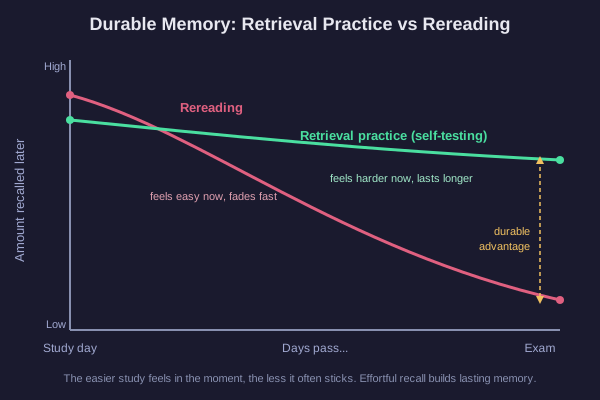
Immagina due gruppi che studiano lo stesso testo. Il Gruppo A lo legge quattro volte. Il Gruppo B lo legge una volta, poi chiude il libro e cerca di richiamarlo alla memoria tre volte, verificando in seguito. Una settimana dopo, entrambi sostengono un test.
Il Gruppo A si sente molto più sicuro di sé. Il Gruppo B vince il test, e non di poco. Questo risultato, replicato molte volte, è chiamato effetto del test o pratica di recupero.
Ecco il meccanismo. Ogni volta che estrai un ricordo dalla tua testa senza guardare, rafforzi il percorso che vi porta. La rilettura ti espone semplicemente di nuovo al materiale: i tuoi occhi lo scorrono mentre il riconoscimento fornisce un rassicurante senso di "lo so già". Il riconoscimento non è il richiamo alla memoria.
Lo sforzo è il punto. Un tentativo di richiamo che ti fa faticare, & anche uno in cui fallisci & poi controlli, insegna più di una rilettura fluida. La difficoltà non è un segno che il metodo stia fallendo: è il metodo che funziona.
In pratica: invece di rileggere un capitolo, chiudilo & scrivi tutto ciò che ricordi. Invece di rivedere le facce e i retro delle flashcard, costringiti a rispondere prima di girarle. Trasforma ogni titolo nei tuoi appunti in una domanda & rispondi di memoria.
Perché il test batte la rilettura
Il tuo turno
Spaziatura e Interleaving
Spaziatura: Lasciati dimenticare un po'
Stare svegli otto ore la notte prima imballa tutto in una sola sessione. La pratica spaziata prende quelle stesse otto ore e le distribuisce su giorni o settimane. Stesso sforzo totale, molto più ritenzione.
La ragione è quasi paradossale. Quando spazi lo studio, lasci che un po' di dimenticanza si insinui tra le sessioni. Rimpadronirsi di qualcosa che hai parzialmente dimenticato forza il recupero, e quella ricostruzione è esattamente ciò che incide il ricordo più a fondo. Zero dimenticanza tra le sessioni significa zero riacquisizione faticosa.
Interleaving: Mescola i tipi di problema
Ora supponi di dover imparare a risolvere tre tipi di problemi di matematica: A, B e C. Il blocco (blocking) consiste nel praticare tutti i problemi A, poi tutti i B, poi tutti i C. L'intercalamento (interleaving) consiste nel mescolarli: A, C, B, A, B, C, in ordine casuale.
Il blocco sembra più fluido. Una volta che sai di essere sui problemi A, applichi il metodo A in modalità automatica e raramente sbagli. L'intercalamento sembra goffo e soggetto a errori, perché ogni problema impone prima la domanda più difficile: di che tipo è questo problema e quale metodo si applica?
Quella domanda in più è l'intero vantaggio. In un esame reale, e nella vita reale, i problemi non arrivano pre-etichettati. L'intercalamento allena la competenza che il blocco salta: scegliere l'approccio giusto. Sembra peggio, ma si trasferisce meglio.
Blocco vs Intercalamento
Il tuo turno
Difficoltà desiderabili e l'illusione di competenza
Difficoltà desiderabili
Recupero, spaziatura e intercalamento condividono una caratteristica strana: ciascuno rende lo studio più difficile e lento nel momento in cui lo si pratica, ma ciascuno produce un apprendimento a lungo termine più solido. Lo scienziato cognitivo Robert Bjork ha chiamato questa famiglia di effetti difficoltà desiderabili.
La parola chiave è desiderabile. Non tutta la difficoltà è utile. Un libro di testo confuso o una stanza rumorosa sono solo difficoltà. Una difficoltà desiderabile è uno sforzo mirato direttamente alla cosa che si sta cercando di imparare: ricordare, discriminare, ricostruire. Quello sforzo è il prezzo di una memoria duratura, e pagarlo ha la sensazione di una lotta.
Questo crea una trappola per il tuo giudizio. Leggiamo naturalmente facilità e velocità come segni di apprendimento. Così, i metodi che ci fanno sentire meglio, rileggere e bloccare e revisione fluida, guadagnano la nostra fiducia, mentre i metodi che funzionano davvero sembrano fallire.
L'illusione di competenza
Quando rileggi una pagina e ogni frase ti sembra ovvia, il tuo cervello segnala: padroneggiato. Ma quel segnale misura il riconoscimento, se il materiale ti sembra familiare, non il richiamo, se potresti produrlo con il libro chiuso. Il divario tra i due è l'illusione di competenza.
Il tuo giudizio di apprendimento è la fiducia che senti su ciò che sai. Lo studente disciplinato non si fida di quel giudizio e lo calibra rispetto alle prove. L'unico test onesto del richiamo è chiudere il libro e cercare di produrre la risposta dal nulla. Se non ci riesci, non lo sapevi, per quanto familiare ti sembrasse.
Padronanza reale vs la sensazione di essa
Il tuo turno
La trappola della risposta istantanea
La trappola moderna
Tutto quanto fin qui punta in una direzione: l'apprendimento è costruito dal recupero faticoso e dalla lotta produttiva. Ora incontra la forza che tira più forte nella direzione opposta.
Gli strumenti di studio automatizzati possono produrre in pochi secondi una risposta fluente e apparentemente corretta a quasi qualsiasi domanda. Un riassunto, un problema risolto, un saggio completato, una spiegazione su richiesta. Questo è massimamente allettante, e per l'apprendimento è massimamente corrosivo, per una ragione precisa: elimina esattamente il passaggio che costruisce la competenza.
Quando uno strumento ti consegna la risposta, non la richiami mai, non lotti mai per ricostruirla, non discrimini mai quale metodo si applica. Ottieni il prodotto del pensiero senza fare il pensiero. Sembra progresso, la pagina si riempie, il set di problemi viene completato, e innesca la stessa illusione di competenza della rilettura, ma più forte, perché l'output sembra lavoro da esperto.
Lo studente disciplinato non rifiuta questi strumenti. Cambia a cosa li usa. Due usi onesti e uno proibito:
- Genera esercizi, non risposte. Chiedi a uno strumento di farti delle domande, di inventare nuovi problemi, di nascondere la soluzione finché non l'hai tentata. Trasformalo in un generatore di problemi intercalati e spaziati.
- Verifica dopo aver prodotto. Fai prima il richiamo con il libro chiuso, impegna una risposta, poi usa uno strumento per verificare e spiegare le tue lacune. Richiamo prima, feedback dopo.
- Non lasciarlo mai sostituire il richiamo. Nel momento in cui lo strumento fa il ricordo, la diagnosi o la ricostruzione per te, l'apprendimento che quel passaggio avrebbe costruito è perso. Non puoi esternalizzare la lotta e mantenere la forza, così come non puoi metterti in forma guardando qualcun altro sollevare pesi.
Progetta il tuo piano di studio
Mettilo tutto insieme
È il momento di progettare un piano reale, non uno ipotetico.
Cosa cambierai?
Un'ultima riflessione
Ora sai qualcosa che la maggior parte degli studenti non impara mai: che la sensazione di apprendimento e il fatto di apprendere sono due cose diverse, e che spesso puntano in direzioni opposte.
I metodi che costruiscono conoscenze durevoli, come il recupero, la spaziatura, l'intercalamento, l'abbracciare la difficoltà desiderabile e il testarsi onestamente, condividono tutti un tratto scomodo: si sentono più difficili dei metodi che ti deludono. Il comfort non è il tuo alleato qui. Lo sforzo lo è.
E gli strumenti che possono pensare per te sono sicuri solo se ti rifiuti di lasciarli fare. Usali per fare pratica, per controllare il tuo lavoro, per esporre i tuoi punti deboli. Mai per saltare la lotta che crea la competenza.