Benvenuto
Benvenuto nel corso sul Giudizio in condizioni di incertezza.
Ogni scelta importante che farai è una scommessa posta con informazioni incomplete. Raramente sai come andranno a finire le cose. Ciò che puoi controllare è la qualità del tuo ragionamento prima che arrivi il risultato.
Oggi costruirai cinque strumenti che distinguono i decisori attenti da quelli fortunati: valore atteso, calibrazione, consapevolezza dei bias, reversibilità e la differenza tra una buona decisione e un buon esito.
Questi strumenti restano utili anche quando un sistema automatizzato ti fornisce una raccomandazione, perché la responsabilità della decisione ricade sempre su di te.
Ponderare i Rendimenti per Probabilità
Valore Atteso
Quando un esito è incerto, il valore atteso (EV) è il rendimento medio che si otterrebbe se si potesse ripetere la stessa decisione molte volte.
La formula è una somma pesata: EV = somma di (probabilità x rendimento). Moltiplica ogni possibile rendimento per la sua probabilità, poi somma i prodotti.
Analizza due opzioni:
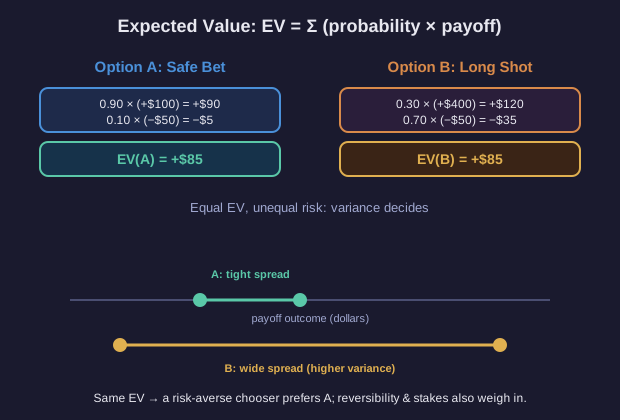
- Opzione A (scelta sicura): 90% di probabilità di +$100 e 10% di probabilità di -$50.
EV(A) = 0,90 x (+$100) + 0,10 x (-$50) = 90 - 5 = +$85.
- Opzione B (scommessa rischiosa): 30% di probabilità di +$400 e 70% di probabilità di -$50.
EV(B) = 0,30 x (+$400) + 0,70 x (-$50) = 120 - 35 = +$85.
Entrambe le opzioni hanno lo stesso valore atteso: +$85. Considerando solo il valore atteso puro, sono in parità. Tra poco vedrai perché un decisore attento potrebbe comunque preferirne una all'altra.
Calcola un Valore Atteso
Il tuo turno: Un solo numero
Ecco una singola scommessa. Due esiti, e le vincite sono già indicate in dollari netti:
- 10% di probabilità di un guadagno netto di +$75
- 90% di probabilità di una perdita netta di -$5
Quando il Rischio Vince sull'EV Puro
Quando il Rischio Vince sull'EV Puro
Il valore attuo presuppone che tu possa ripetere la scommessa molte volte, così che la media prevalga. Molte decisioni reali avvengono una sola volta. Una singola perdita da cui non puoi riprenderti può terminare il gioco prima che la media si manifesti.
La varianza misura quanto sono distribuiti i possibili esiti. L'Opzione A precedente si manteneva in un intervallo ristretto; l'Opzione B poteva oscillare molto in entrambe le direzioni. Stesso EV, rischio molto diverso.
Regola pratica: quando una possibile perdita è abbastanza grande da rovinarti (bancarotta, infortunio, perdita di qualcosa di insostituibile), lascia che quel rischio prevalga sull'EV puro. Una media leggermente più bassa è un prezzo equo per evitare la rovina. È per questo che le persone comprano assicurazioni, anche se le assicurazioni hanno un EV negativo.
Confronta Due Opzioni
Tocca a te: Due Opzioni
Una piccola azienda deve scegliere un piano di lancio:
- Piano A: 60% di probabilità di un profitto di +$50.000 e 40% di probabilità di una perdita di -$20.000.
- Piano B: un profitto garantito di +$15.000.
Cosa dovrebbe significare la confidenza
Calibrazione: Cosa dovrebbe significare la confidenza
Quando affermi di essere confidente al 70%, stai facendo un'affermazione verificabile: in tutte le occasioni in cui ti senti esattamente così sicuro, dovresti avere ragione circa il 70% delle volte.
Una persona ben calibrata che assegna il 70% a 100 previsioni indovina circa 70 di esse. Se ne indovina solo 40, era eccessivamente fiduciosa. Se ne indovina 90, era poco fiduciosa.
L'eccessiva fiducia è l'errore di calibrazione più comune. La maggior parte delle persone è molto più certa di quanto giustifichi il loro storico di risultati, il che danneggia silenziosamente le loro decisioni. La soluzione è tracciare le proprie previsioni e confrontare la confidenza dichiarata con il tasso di successo effettivo.
Leggere la propria confidenza
La tua volta
Supponiamo che tu faccia 10 previsioni separate, dichiarando ogni volta di essere sicuro al 70%.
Tre bias che sabotano le decisioni
Tre bias che sabotano le decisioni
Anche con EV e calibrazione a portata di mano, scorciatoie mentali prevedibili distorcono il giudizio. Tre dei più dannosi:
1. Fallacia dei costi irrecuperabili: lasciare che il denaro, il tempo o lo sforzo già spesi (e non recuperabili) ti tengano vincolato. "Abbiamo già investito due anni, non possiamo fermarci ora." Quella spesa passata è andata persa in ogni caso; solo i costi futuri e i benefici futuri dovrebbero guidare la scelta.
2. Eccessiva fiducia: sovrastimare quanto si sa e quanto è probabile che si abbia ragione (l'errore di calibrazione della sezione precedente). Ti porta a saltare i piani di riserva, a sottostimare le tempistiche e a ignorare i segnali di allarme.
3. Ancoraggio: agganciarsi al primo numero che si sente e adeguarsi troppo poco rispetto ad esso. Il primo prezzo menzionato in una negoziazione, o la prima stima su un progetto, trascina ogni giudizio successivo verso di sé, anche quando quel primo numero era arbitrario.
Non puoi eliminare questi bias, ma nominarli ti permette di coglierli sul fatto.
Riconosci il costo irrecuperabile
Il tuo turno
Considera questa situazione:
Hai già speso 60 dollari e tre ore su un progetto che chiaramente non va da nessuna parte. Un collega dice: "Abbiamo già investito così tanto in questo, non possiamo arrenderci adesso."
Porte a senso unico e a doppio senso
Porte a senso unico e a doppio senso
Non ogni decisione merita la stessa attenzione. Un test utile è: si tratta di una porta a senso unico o di una porta a doppio senso?
Le porte a doppio senso sono reversibili. Se la scelta si rivela sbagliata, puoi tornare indietro e annullarla a basso costo: provare un nuovo strumento, riorganizzare una stanza, testare un piano di studio. Prendi queste decisioni velocemente. Ruminare eccessivamente su una scelta reversibile sprecare tempo che potresti dedicare a imparare dai risultati.
Le porte a senso unico sono irreversibili, o costose da invertire: eliminare l'unica copia di un file, abbandonare gli studi, farsi un tatuaggio permanente, pubblicare qualcosa per il mondo intero. Prendi queste decisioni lentamente e con attenzione, raccogli più informazioni e predisponi salvaguardie.
La competenza sta nell'allineare la tua riflessione alla reversibilità. Prendere decisioni lente per porte a due vie e decisioni rapide per porte a senso unico sono entrambi errori costosi.
Ordina le Porte
Il tuo turno
Ecco due decisioni:
- (a) Eliminare permanentemente l'unica copia di un file.
- (b) Provare un nuovo assetto dei posti in una classe.
Qualità della Decisione vs Qualità dell'Esito
Qualità della Decisione vs Qualità dell'Esito
Una buona decisione utilizza il miglior ragionamento disponibile su probabilità e rischi al momento in cui si decide. Un buon esito è semplicemente come sono andate le cose, e la fortuna ha voce in capitolo in questo.
Poiché l'incertezza è reale, una buona decisione può comunque portare a un esito negativo, e una decisione avventata può avere fortuna. Giudicare una decisione solo in base al suo risultato è una trappola chiamata resulting (giudicare in base al risultato).
Per valutare equamente una decisione, chiedi: dato ciò che era conoscibile al momento, questa era una scommessa sensata? Un giocatore di poker può giocare una mano in modo perfetto e perdere comunque a causa di una carta fortunata. Questo non rende la giocata sbagliata.
Buona decisione o buon esito?
Il tuo turno
Un amico ha attraversato un semaforo rosso alle 2 di notte, senza auto in vista, ed è arrivato a casa sano e salvo.
Quando una macchina raccomanda la scelta
Quando una macchina raccomanda la scelta
Sempre più spesso, i sistemi automatizzati ti forniranno una raccomandazione: questo percorso, questa diagnosi, questa operazione, questo candidato. Spesso il sistema classifica le opzioni in base al valore atteso o a un punteggio simile.
Quella raccomandazione è un input, non una sentenza. Il sistema ottimizza i numeri che gli sono stati forniti. Non percepisce il peso di una porta a senso unico, non sa quali perdite rovinerebbero te, e le sue probabilità possono essere errate, distorte o prive di contesto.
Il tuo compito è valutare ciò che la macchina non può: l'opzione con il valore atteso (EV) più alto è troppo rischiosa se fallisce? È reversibile? Ti fidi degli input? Indipendentemente da ciò che lo strumento suggerisce, pesi EV, rischio e reversibilità, e sei tu a rispondere del risultato.
Ignorare il consiglio
Il tuo turno
Un sistema automatizzato consiglia l'Opzione A perché ha il valore atteso più alto.