歡迎
歡迎來到「不確定性下的判斷」。
您將做出的每一個重要選擇,都是一場在資訊不完整下下的賭注。您很少能確切知道事情最終會如何發展。但您可以掌控的是,在結果出現之前,您推理的品質。
今天,您將建立五項工具,以區分謹慎的決策者與僅靠運氣的人:期望值、校準、偏誤意識、可逆性,以及明智決策與良好結果之間的差異。
即使自動化系統為您提供建議,這些工具依然實用,因為最終決策的責任仍由您承擔。
以機率加權報酬
期望值
當結果不確定時,期望值(EV)是若您能重複進行相同決策多次,所獲得的平均報酬。
其公式為加權總和:EV = 各(機率 x 報酬)之和。將每種可能的報酬乘以其對應的機率,然後將這些乘積相加。
演算以下兩個選項:
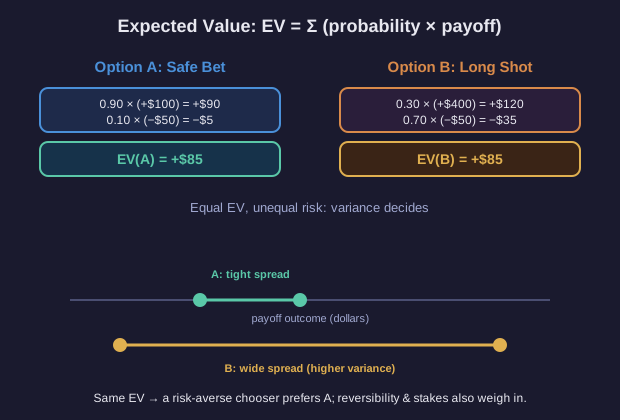
- 選項 A(穩健之選): 90% 機率獲得 +$100,10% 機率損失 -$50。
EV(A) = 0.90 x (+$100) + 0.10 x (-$50) = 90 - 5 = +$85。
- **選項 B(長長長長長長長長長長長長長長長長長長長長長長長長長長長長長長長長長長長長長長長長長長長長長長長長長長長長長長長長長長長長長長長長長長長長長長長長長長長長長長長長長長長長長長長長長長長長長長長長長長長長長長長長長長長長長長長長長長長長長長長長長長長長長長長長長長長長長長長長長長長長長長長長長長長長長長長長長長長長長長長長長長長長長長長長長長長長長長長長長長長長長長長長長長長長長長長長長長長長長長長長長長長長長長長長長長長長長長長長長長長長長長長長長長長長長長長長長長長長長長長長長長長長長長長長長長長長長長長長長長長長長長長長長長長長長長長長長長長長長長長長長長長長長長長長長長長長長長長長長長長長長長長長長長長長長長長長長長長長長長長長長長長長長長長長長長長長長長長長長長長長長長長長長長長長長長長長長長長長長長長長長長長長長長長長長長長長長長長長長長長長長長長長長長長長長長長長長長長長長長長長長長長長長長長長長長長長長長長長長長長長長長長長長長長長長長長長長長長長長長長長長長長長長長長長長長長長長長長長長長長長長長長長長長長長長長長長長長長長長長長長長長長長長長長長長長長長長長長長長長長長長長長長長長長長長長長長長長長長長長長長長長長長長長長長長長長長長長長長長長長長長長長長長長長長長長長長長長長長長長長長長長長長長長長長長長長長長長長長長長長長長長長長長長長長長長長長長長長長長長長長長長長長長長長長長長長長長長長長長長長長長長長長長長長長長長長長長長長長長長長長長長長長長長長長長長長長長長長長長長長長長長長長長長長長長長長長長長長長長長長長長長長長長長長長長長長長長長長長長長長長長長長長長長長長長長長長長長長長長長長長長長長長長長長長長長長長長長長長長長長長長長長長長長長長長長長長長長長長長長長長長長長長長長長長長長長長長長長長長長長長長長長長長長長長長長長長長長長長長長長長長長長長長長長長長長長長長長長長長長長長長長長長長長長長長長長長長長長長長長長長長長長長長長長長長長長長長長長長長長長長長長長長長長長長長長長長長長長長長長長長長長長長長長長長長長長長長長長長長長長長長長長長長長長長長長長長長長長長長長長長長長長長長長長長長長長長長長長長長長長長長長長長長長長長長長長長長長長長長長長長長長長長長長長長長長長長長長長長長長長長長長長長長長長長長長長長長長長長長長長長長長長長長長長長長長長長長長長長長長長長長長長長長長長長長長長長長長長長長長長長長長長長長長長長長長長長長長長長長長長長長長長長長長長長長長長長長長長長長長長長長長長長長長長長長長長長長長長長長長長長長長長長長長長長長長長長長長長長長長長長長長長長長長長長長長長長長長長長長長長長長長長長長長長長長長長長長長長長長長長長長長長長長長長長長長長長長長長長長長長長長長長長長長長長長長長長長長長長長長長長長長長長長長長長長長長長長長長長長長長長長長長長長長長長長長長長長長長長長長長長長長長長長長長長長長長長長長長長長長長長長長長長長長長長長長長長長長長長長長長長長長長長長長長長長長長長長長長長長長長長長長長長長長長長長長長長長長長長長長長長長長長長長長長長長長長長長長長長長長長長長長長長長長長長長長長長長長長長長長長長長長長長長長長長長長長長長長長長長長長長長長長長長長長長長長長長長長長長長長長長長長長長長長長長長長長長長長長長長長長長長長長長長長長長長長長長長長長長長長長長長長長長長長長長長長長長長長長長長長長長長長長長長長長長長長長長長長長長長長長長長長長長長長長長長長長長長長長長長長長長長長長長長長長長長長長長長長長長長長長長長長長長長長長長長長長長長長長長長長長長長長長長長長長長長長長長長長長長長長長長長長長長長長長長長長長長長長長長長長長長長長長長長長長長長長長長長長長長長長長長長長長長長長長長長長長長長長長長長長長長長長長長長長長長長長長長長長長長長長長長長長長長長長長長長長長長長長長長長長長長長長長長長長長長長長長長長長長長長長長長長長長長長長長長長長長長長長長長長長長長長長長長長長長長長長長長長長長長長長長長長長長長長長長長長長長長長長長長長長長長長長長長長長長長長長長長長長長長長長長長長長長長長長長長長長長長長長長長長長長長長長長長長長長長長長長長長長長長長
EV(B) = 0.30 x (+$400) + 0.70 x (-$50) = 120 - 35 = +$85.
Both options have the same expected value: +$85. On raw EV alone, they tie. In a moment you will see why a careful decider might still prefer one over the other.
Compute an Expected Value
Your Turn: One Number
這是一個單一的賭注。有兩種結果,且賠付已以淨美元金額表示:
- 10% 機率獲得淨 +$75
- 90% 機率損失淨 -$5
當風險壓倒原始期望值
當風險壓倒原始期望值
期望值假設你可以重複下注許多次,讓平均值發揮作用。但許多現實中的決策只發生一次。一次無法挽回的損失,可能在平均值來得及展現之前,就讓遊戲結束了。
變異數(Variance)衡量可能報酬的分散程度。之前的選項 A 維持在狹窄的區間內;而選項 B 則可能向任一方向大幅波動。雖然期望值相同,但風險卻大不相同。
經驗法則:當可能的損失大到足以讓你破產(例如破產、受傷、失去無價之物)時,應讓該風險壓倒原始期望值。為了避免破產,接受略低的平均值是合理的代價。這就是為什麼人們會購買保險,儘管保險通常具有負期望值。
比較兩個選項
輪到你了:兩個選項
一家小型公司必須選擇一個發布計畫:
- 計畫 A: 60% 機率獲得 +$50,000 利潤,以及 40% 機率虧損 -$20,000。
- 計畫 B: 保證獲得 +$15,000 利潤。
信心應該代表的意義
校準:信心應該代表的意義
當你說你有 70% 的信心 時,你正在做出一個可驗證的聲明:在所有你感覺完全如此確定的時候,你應該在約 70% 的情況下是正確的。
一個 校準良好 的人,如果在 100 個預測中說 70%,大約會答對 70 個。如果他們只答對 40 個,他們就是 過度自信。如果他們答對 90 個,他們就是 信心不足。
過度自信是最常見的校準錯誤。大多數人比他們的實際表現所證明的還要確定得多,這會悄悄破壞他們的決策。解決方法是追蹤你的預測,並將你聲明的信心與你的實際命中率進行比較。
閱讀你自己的信心
輪到你
假設你做了 10 次獨立的預測,每次你都表示自己有 70% 的信心。
三種劫持決策的偏誤
三種劫持決策的偏誤
即使掌握了期望值(EV)和校準(calibration),可預測的心智捷徑仍會扭曲判斷。其中最具破壞性的有三種:
1. 沉沒成本謬誤(Sunk-cost fallacy): 讓已經花費且無法收回的金錢、時間或努力繼續綁住你。「我們已經投入兩年時間,現在不能放棄。」無論如何,過去的支出都已成為定局;只有未來的成本與未來的收益才應驅動決策。
2. 過度自信(Overconfidence): 高估自己的知識量以及判斷正確的機率(即上一節所述的校準錯誤)。這會導致你省略備援方案、低估時間表,並忽視警告信號。
3. 錨定效應(Anchoring): 鎖定在聽到的第一個數字上,並從該數字出發進行過小的調整。談判中開出的第一個價格,或專案中的第一個估算值,會將後續所有判斷拉向該數字,即使該初始數字完全是任意設定的。
你無法消除這些偏誤,但透過命名它們,你可以察覺它們正在作用的瞬間。
辨識沉沒成本
輪到你了
請考慮以下情境:
你已經在一個明顯沒有前景的專案上花費了 60 美元和三個小時。一位隊友說:「我們已經投入了這麼多,現在不能放棄。」
單向門與雙向門
單向門與雙向門
並非每個決定都值得同樣程度的深思。一個有用的判斷標準是:這是單向門還是雙向門?
雙向門是可逆的。如果選擇被證明是錯誤的,你可以輕鬆地走回去並取消它:例如嘗試新工具、重新佈置房間、測試學習計畫。對於這些決定,要快速做出。對可逆選擇過度猶豫,會浪費本可用於從結果中學習的時間。
單向門是不可逆的,或反轉成本極高:刪除檔案的唯一副本、輟學、紋永久刺青、向全世界發布內容。對於這些決定,要緩慢且謹慎地做出,收集更多資訊,並建立保障措施。
這項技能的關鍵在於讓你的審慎程度與決策的可逆性相匹配。在「雙向門」(可逆決策)上猶豫不決,或在「單向門」(不可逆決策)上倉促行事,兩者都是昂貴的錯誤。
分類這些門
輪到你了
以下是兩個決策:
- (a) 永久刪除檔案的唯一副本。
- (b) 在教室中嘗試新的座位安排。
決策品質與結果品質
決策品質與結果品質
好的決策是基於決策當下,對機率與風險所能獲得的最佳推理。而好的結果僅僅是事情最終的走向,運氣在其中佔有一席之地。
由於不確定性是真實存在的,一個好的決策仍可能導致壞的結果,而一個魯莽的決策也可能僥倖成功。僅以結果來評判決策,是一種稱為結果主義(resulting)的陷阱。
要公平地評估一個決策,請問:基於當時可知的情境,這是一個合理的賭注嗎?一位撲克玩家可能完美地打出一手牌,卻仍因一張幸運的牌而輸掉。這並不代表那手牌打錯了。
好的決策還是好的結果?
輪到你了
一位朋友在凌晨 2 點闖了紅燈,當時四週沒有任何車輛,他平安到家了。
當機器給出建議時
當機器給出建議時
越來越多的自動化系統會直接給出建議:這條路線、這個診斷、這筆交易、這位候選人。通常,這些系統是根據期望值或類似的分數對選項進行排序。
該建議只是輸入,而非最終裁決。系統只會優化它所接收的數據。它無法感受「單向門」決策的沉重,不知道哪些損失會毀掉你,且其概率估算可能錯誤、存在偏見或缺乏情境脈絡。
你的工作是衡量機器無法量化的部分:如果高期望值(EV)的選項失敗,風險是否過大?這個決定是否可逆?你是否信任輸入的資料?無論工具建議什麼,你都要權衡期望值、風險與可逆性,並對最終結果負責。
推翻建議
輪到你了
一個自動化系統建議選擇「選項 A」,因為它具有最高的期望值。