Welcome
Weather is the wilderness's most reliable surprise. The sky always tells you what is coming, IF you know how to listen.
Today you learn the four skills outdoor people lean on most: picking a campsite, reading clouds, spotting hypothermia, and layering clothes.
These skills work in your yard, on a day hike, or on a multi-day trip. They scale with you.
Let's get into it.
Warm-Up
Let's Start!
Every outdoor person has a weather story.
Site Selection
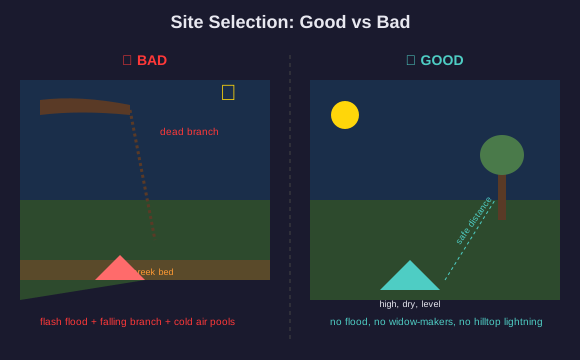
A Good Site Has Three Things
When you choose where to set up shelter, look for ground that is high, dry, and level:
- High — water and cold air both pool in low spots. Stay above the dip.
- Dry — never camp in a dry creek bed. A storm miles away can send a flash flood through it in minutes.
- Level — try sleeping on a slope. You will slide to the bottom of the tent all night.
And never camp under a dead tree or a dead branch. Outdoor people call these widow-makers for a reason. Wind brings them down without warning.
Hilltops sound scenic but they collect lightning during storms. A spot 50 yards below the ridge is much safer.
Spot the Hazard
Now you know what good looks like. Pick out the bad.
Three Clouds Every Hiker Knows
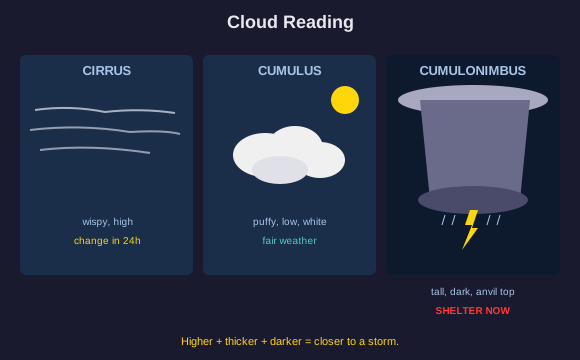
Three Cloud Types to Know
Clouds give you hours of warning before serious weather arrives. Three types are most worth knowing:
- Cirrus — wispy, high, like brushstrokes of white. They mean a change is coming in about 24 hours. Time to plan.
- Cumulus — puffy, white, low, and friendly. Fair weather clouds. Enjoy.
- Cumulonimbus — tall, dark, with a flat 'anvil' top. These are the storm engines. They bring lightning, heavy rain, and sometimes hail. Shelter NOW.
Rule of thumb: higher, thicker, darker = closer to a storm. The flat anvil top is the warning sign you cannot ignore.
Anvil Above
You look up and see a tall, dark cloud with a flat, spread-out top, like an anvil.
What Hypothermia Looks Like
When the Body Loses Heat Faster Than It Makes It
Hypothermia is what happens when the body's core temperature drops. It can happen at temperatures well above freezing if you are wet or windblown.
It is sneaky because the person often does not realize how badly they are slipping.
Outdoor leaders learn a memory trick called the umbles:
- Mumbles — slurred or odd speech
- Stumbles — clumsy walking
- Fumbles — dropping things, can't tie knots
- Grumbles — sudden grumpiness or confusion
Add uncontrolled shivering and pale skin and you have a person in real trouble.
What to do: Get them out of wind. Replace wet clothes with dry. Share food and warm liquid. Share body heat. Don't wait.
Spot the Signs
You are hiking with a friend in cold rain. Something seems off about them.
How to Dress Outside
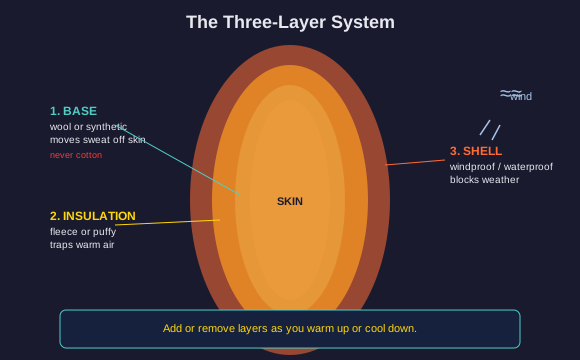
Three Layers, One Job
Outdoor people dress in three layers that each do a different job:
1. Base layer — snug against skin, made of wool or synthetic material. Moves sweat away from skin. Never cotton.
2. Insulation layer — fleece, puffy, or wool. Traps warm air against the body.
3. Shell layer — windproof and waterproof. Blocks the weather.
Hikers say 'cotton kills.' Cotton holds water against skin and pulls heat out fast. In cold or wet weather, cotton is dangerous.
Wool and synthetics keep insulating even when damp because they trap air even when wet.
Add a layer when you cool down. Remove one when you warm up. Don't wait until you're shivering or sweating.
Why Not Cotton?
Your friend shows up for a cold rainy hike wearing a cotton T-shirt and cotton jeans.
What Goes in the Pack First?
Apply What You Learned
You learned to pick a site, read the clouds, spot hypothermia, and dress in layers.
Each lesson maps to a piece of gear or a habit you can take outside next time.