Sorunun Neden Önemli Olduğu
İyi Bir Soru, Cevabın Yarısıdır
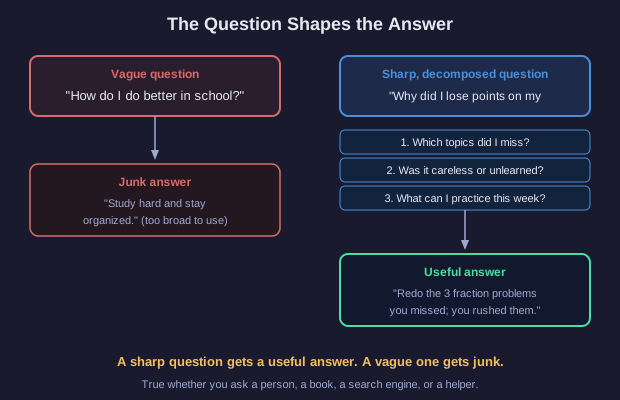
Birine yaklaşıp "Nasıl daha iyi olabilirim?" diye sorduğunuzu hayal edin. Neyi daha iyi yapabilmek için? Ne zamana kadar? Kiminle kıyasla? Sorunuz onlara aslında ne istediğinizi söylemediği için size yardımcı olamazlar.
Şimdi de "Matematik sınavlarımda kesir problemlerinde sürekli puan kaybediyorum. Bunu düzeltmek için bu hafta üzerinde çalışabileceğim tek bir şey ne olabilir?" diye sorduğunuzu hayal edin. Bu soru neredeyse kendini yanıtlıyor.
Bugünkü büyük fikir şu: Bir kişiye, bir kitaba, bir arama motoruna veya otomatik bir asistana soru sorduğunuzda, cevabın kalitesi sorusun kalitesine bağlıdır. Keskin bir soru, faydalı bir cevap alır. Belirsiz bir soru ise çöp alır.
Bugün, belirsiz hedefleri sormaya değer sorulara dönüştüren dört adımı öğreneceksiniz.
Gerçek Soruyu Bulmak
1. Adım: Gerçek Soruyu Bulun
Çoğu belirsiz sorunun içinde daha keskin bir soru gizlidir. "Okulda nasıl daha iyi olurum?" sorusu aslında "Hangi derste zorlanıyorum ve orada neden puan kaybediyorum?" gibi bir şeyi gizliyor.
Püf nokta, kendinize "Aslında ne öğrenmeye çalışıyorum?" diye sormaktır. Yüzeydeki soru, çoğu zaman altındaki gerçek ve spesifik sorunun ilk belirsiz şeklidir.
İşte belirsiz bir hedef: "Bilim projemin iyi olmasını istiyorum."
Ayrıştırma
Hamle 2: Alt Sorulara Ayır
Bazı sorular, tek seferde cevaplanacak kadar büyük değildir. "Neden takımım maç kaybediyor?" sorusu çok büyük. Bunu doğrudan cevaplayamazsınız, bu yüzden onu parçalara ayırırsınız. Aslında cevaplayabileceğiniz daha küçük sorulara bölersiniz.
"Neden takımım maç kaybediyor?" sorusu şu parçalara ayrılabilir:
- Az gol attığımız için mi yoksa çok gol yediğimiz için mi kaybediyoruz?
- Maçın ilk yarısında mı yoksa ikinci yarısında mı daha çok kaybediyoruz?
- Diğer takım gol attığında sahada hangi oyuncular var?
Bunların her biri küçük ve cevaplanabilir bir sorudur. Küçük olanları cevaplayın, büyük olan da ellerinizin arasında parçalanmaya başlar. Parçalara ayırma, tek imkânsız soruyu, cevaplanabilir bir avuç soruya dönüştürür.
Büyük Bir Hedefi Alt Sorulara Dönüştürün
Sıra Sizde: Parçalara Ayırın
İşte bir öğrencinin sahip olabileceği büyük ve belirsiz bir hedef:
"Yaza kadar ikinci el bir bisiklet alacak kadar para biriktirmek istiyorum."
Bu, tek bir adımda yanıtlanacak kadar büyük. Parçalara ayırın.
Gereksinimler
Hamle 3: İyi Bir Yanıtın Ne Gerektirdiğini Sor
Bir yanıt aramaya çıkmadan önce, iyi bir yanıtın aslında hangi bilgileri gerektirdiğini sormak işe yarar. Buna gereksinimleri belirlemek denir.
Sorunuz "Yarın ceket getirmeli miyim?" olsun. İyi bir yanıtın birkaç şeyi bilmesi gerekir. Hava durumu tahminini, senin kişisel olarak ne kadar üşüdüğünü ve dışarıda ne kadar süre kalacağını bilmesi gerekir. Bunlar gereksinimlerdir. Bunlar olmadan, herhangi bir yanıt sadece bir tahmindir.
Gereksinimleri bilmek iki işe yarar. Ne araştırmak gerektiğini söyler ve kötü bir yanıtı fark etmeni sağlar. Eğer biri gerekli bilgiler olmadan yanıt verirse, yanıtına güvenilemez.
İyi Bir Yanıt Ne Gerektirir?
Sıra Sizde
Bir arkadaşınız size şu soruyu soruyor:
"Hangi dizüstü bilgisayarı almalıyım?"
Herkes iyi bir cevap verebilmek için önce arkadaşınızdan bazı bilgilere ihtiyaç duyar.
Çerçevelendirmeyi Değerlendirme
4. Hamle: Çerçevelendirmeyi Değerlendir
Şimdi her şeyi bir araya getirip bir soruyu kendisi hakkında yargılayabilirsiniz. İyi çerçevelendirilmiş bir soru özeldir, cevaplanabilir ve cevabı veren kişiye çalışması için yeterli bilgiyi sunar. Kötü çerçevelendirilmiş bir soru ise belirsizdir, çok geniştir veya bir varsayımı gizler; bu nedenle herhangi bir cevap karanlıkta ateş etmeye benzer.
Şunları karşılaştırın:
- Kötü çerçevelendirilmiş: "Ödevim iyi mi?" (Nasıl iyi? Kimin standardına göre? İyi tanımlanmamış.)
- İyi çerçevelenmiş: "Makalemin giriş paragrafı ana argümanımı tek bir cümleyle açıkça belirtiyor mu?" (Spesifik, cevaplanabilir ve okuyucuya tam olarak neyi kontrol etmesi gerektiğini söylüyor.)
Çerçevelemenin aslında alabileceğiniz cevabı değiştirdiğine dikkat edin. Belirsiz versiyon omuz silkmeye davet eder. Keskin versiyon ise gerçek ve faydalı bir yanıta davet eder. Aynı temel hedef, çok farklı bir soru.
Hangisi Daha İyi Çerçevelenmiş ve Neden?
Sıra Sizde: Yargılayın
Bir öğrenci tarih ödeviyle ilgili yardıma ihtiyaç duyuyor. İşte soruyu sorabileceği iki yol:
- Soru A: "Tarihte bana yardım edebilir misin?"
- Soru B: "Birinci Dünya Savaşı'nın bir nedenini açıklayan bir paragraf yazmam gerekiyor. İttifak sistemini seçtim ama bunu nasıl açıkça anlatacağımı bilmiyorum. Bu paragrafı daha sıkı ve net hale getirmemde bana yardım edebilir misin?"