Powitanie
Dzisiaj będziemy rozmawiać o jedzeniu — ale nie w taki sposób, jak zwykle go słyszysz.
Bez poczucia winy. Bez mód. Bez cudownych diet.
Jedzenie to trzy rzeczy jednocześnie: jest to paliwo (energia do ruchu i myślenia), materiał budowlany (twoje ciało stale się odbudowuje) i informacja (sygnały chemiczne, które mówią twoim komórkom, co robić).
Większość porad żywieniowych w internecie traktuje jedzenie jako tylko jedną z tych rzeczy. Tu zaczyna się zamieszanie.
Na koniec tej lekcji zrozumiesz, co jedzenie robi w twoim ciele — i dlaczego najlepsze podejście do jedzenia jest prostsze, niż internet to przedstawia.
Rozgrzewka
Szybka Kontrola
Zanim zaczniemy, zwróćmy uwagę na coś.
Wielka Trójka
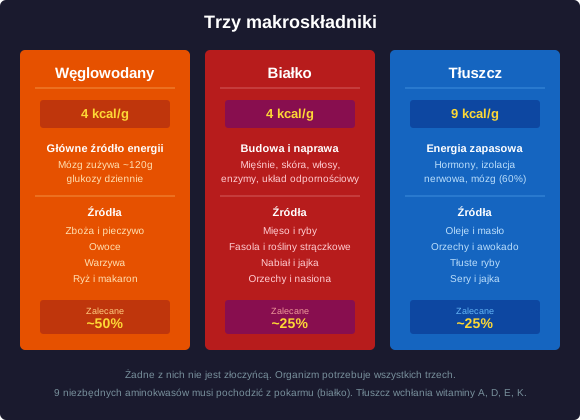
Makroskładniki Odżywcze: Wielka Trójka
Wszystko, co jesz, jest zbudowane z trzech głównych elementów budulcowych, zwanych makroskładnikami odżywczymi (makro = duży). Twoje ciało potrzebuje wszystkich trzech.
Węglowodany — Preferowane źródło energii dla twojego ciała. Chleb, ryż, owoce, warzywa, cukier — wszystko to węglowodany. Sam mózg zużywa około 120 gramów glukozy (węglowodanu) dziennie.
Białko — Materiał do budowy i naprawy. Twoje mięśnie, skóra, włosy, enzymy i system odpornościowy są wszystkie zbudowane z białka. Białko zbudowane jest z mniejszych jednostek zwanych aminokwasami — twoje ciało może wytwarzać niektóre, ale dziewięć 'niezbędnych' aminokwasów musi pochodzić z jedzenia.
Tłuszcz — Nie wróg. Tłuszcz wytwarza hormony, izoluje twoje nerwy, chroni twoje organy i jest niezbędny do funkcjonowania mózgu. Twój mózg to około 60% tłuszczu w stosunku suchej masy. Tłuszcz pomaga również w wchłanianiu witamin A, D, E i K.
Żaden z nich nie jest złoczyńcą. Co dekadę popularna kultura wybiera jeden, aby go demonizować — tłuszcz w latach 90., węglowodany w latach 2010. Nauka się nie zmieniła: potrzebujesz wszystkich trzech.
Dlaczego Sportowcy Potrzebują Więcej
Białko i Wymagania Fizyczne
Gdy ćwiczysz intensywnie, tworzysz drobne mikropęknięcia w włóknach mięśniowych. To brzmi źle, ale to w rzeczywistości jest sposób, w jaki mięśnie rosną — twoje ciało naprawia pęknięcia i czyni włókna nieco silniejszymi.
Ten proces naprawy wymaga aminokwasów z białka.
Witaminy i Minerały
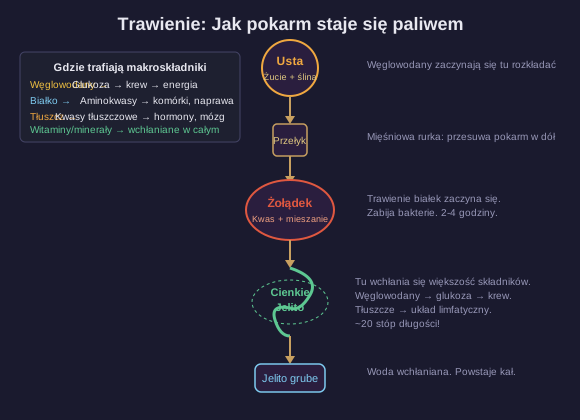
Mikroskładniki Odżywcze: Małe Ilości, Duży Wpływ
Makroskładniki to większość tego, co jesz. Mikroskładniki odżywcze — witaminy i minerały — są potrzebne w maleńkich ilościach, ale bez nich twoje ciało się rozpadzie.
Żelazo — Transportuje tlen w twojej krwi. Bez wystarczającej ilości żelaza, komórki ciała są pozbawione tlenu i czujesz się wyczerpany. Taki stan nazywa się niedokrwistością.
Wapń — Buduje i utrzymuje kości i zęby. Twoje ciało używa również wapnia do skurczów mięśni i przewodzenia nerwowego. Jeśli nie dostajesz wystarczająco z jedzenia, twoje ciało pobiera go z twoich kości.
Witamina D — Wspiera twój system odpornościowy i pomaga wchłaniać wapń. Większość ludzi ma jej niedobór, ponieważ otrzymujemy ją głównie ze słońca, a współczesne życie odbywa się głównie w pomieszczeniach.
Witamina C — Wspiera funkcje odpornościowe i jest niezbędna do wytwarzania kolagenu (białka, które spaja twoją skórę, ścięgna i naczynia krwionośne razem). Ludzie są jednym z niewielu ssaków, które nie mogą wytwarzać własnej witaminy C — musimy ją dostarczać z jedzenia.
Problem Szkorbutu
Historyczna Zagadka
Przez wieki żeglarze podczas długich podróży oceanicznych dostawali przerażającą chorobę. Ich dziąsła by krwawiły, zęby by wypadały, stare rany by się ponownie otwierały, a w końcu umierkali.
Ta choroba nosi nazwę szorbutd, i zabiła więcej żeglarzy niż burze, bitwy i wszystkie pozostałe choroby razem wzięte.
Kalorie Wchodzące, Kalorie Wychodzące
Równowaga Energetyczna: Rzeczywista, ale Uproszczona
Pewnie słyszałeś zwrot kalorie wchodzące, kalorie wychodzące — ideę, że jeśli jesz więcej energii niż spalasz, przybierasz na wadze, a jeśli jesz mniej, tracisz wagę.
To jest technicznie prawdziwe. To jest pierwszy prawo termodynamiki zastosowane do biologii. Energia nie może pojawić się z niczego ani zniknąć.
Ale jest to również głęboko mylące jako praktyczna rada, ponieważ traktuje ciało jak prosty piec. Twoje ciało nie jest piecem.
Metabolizm się zmienia. Dwie osoby o tej samej wielkości mogą mieć bazowe szybkości metabolizmu, które różnią się o 200-300 kalorii dziennie. Genetyka, masa mięśniowa, sen, stres i hormony odgrywają rolę.
Nie wszystkie kalorie się zachowują tak samo. 200 kalorii brokuła i 200 kalorii cukierka mają równą energię, ale diametralnie różne skutki na poziom cukru we krwi, sytość i pobranie składników odżywczych.
Żywność przetworzona jest zaprojektowana. Firmy zajmujące się żywnością zatrudniają naukowców, aby znaleźć 'punkt błogości' — kombinację cukru, soli i tłuszczu, która maksymalizuje chęć do jedzenia i minimalizuje sytość. To nie jest teoria spiskowa; to standardowa praktyka branży udokumentowana w badaniach publicznych.
Czytanie Etykiet Żywnościowych
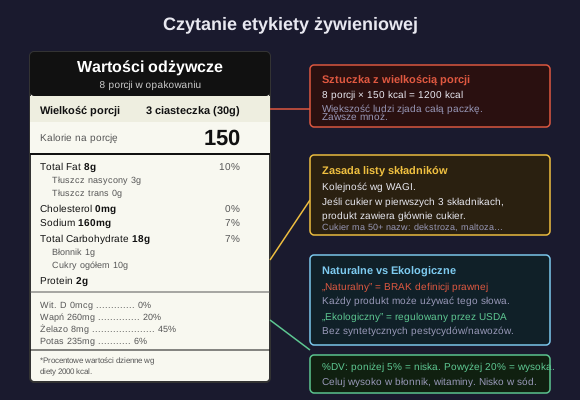
Etykiety Żywnościowe: Co Pokazują i Co Ukrywają
Etykieta dotycząca składu żywnościowego na żywności opakowanej to jedno z najprzydatniejszych narzędzi, jakie masz — jeśli wiesz, jak ją czytać.
Wielkość porcji — Tu firmy są podstępne. Butelka napoju gazowanego może wymieniać 100 kalorii na porcję, ale butelka zawiera 2,5 porcji. Większość ludzi pije całą butelkę.
Lista składników — Składniki są wymieniane w kolejności wagi, od największej do najmniejszej. Jeśli cukier (lub jeden z jego 50+ aliasów: syrop z wysokiej fruktozy kukurydzy, dekstroza, maltoza itp.) jest w pierwszych trzech składnikach, ten produkt to głównie cukier.
'Naturalny' — To słowo nie ma definicji prawnej w etykietach żywnościowych w Stanach Zjednoczonych. Każdy produkt może się określać mianem naturalnego. To czysta marketing.
'Organiczny' — To słowo ma definicję prawną. USDA Organic oznacza, że jedzenie było produkowane bez syntetycznych pestycydów, syntetycznych nawozów ani GMO i było sprawdzane. To nie oznacza automatycznie zdrowsze, ale oznacza coś konkretnego.
Różnica między 'naturalnym' (bez znaczenia) a 'organicznym' (regulowanym) jest dobrym przykładem dlaczego czytanie w sposób krytyczny ma znaczenie.
Jedz Jedzenie, Nie Za Dużo, Głównie Rośliny
Przedarcie Się Przez Szum
Pisarz Michael Pollan spędził lata przeglądając badania żywieniowe i sprowadził to do siedmiu słów:
Jedz jedzenie. Nie za dużo. Głównie rośliny.
Jedz jedzenie — oznacza to rzeczywiste jedzenie, a nie silnie przetworzone produkty z listami składników, które nie możesz wymówić. Jeśli twoja prababcia nie rozpoznałaby tego jako jedzenie, bądź sceptyczny.
Nie za dużo — oznacza to zwracaj uwagę na sygnały głodu i sytości. Przetworna żywność jest zaprojektowana, aby przywrócić te sygnały, więc jedzenie więcej całych produktów naturalnie pomaga w świadomości porcji.
Głównie rośliny — oznacza to owoce, warzywa, leguminy, orzechy i zboża powinny być podstawą twojej diety. To nie jest argument wegański — to jest to, co dowody konsekwentnie pokazują na całym świecie i przez dziesięciolecia badań.
To wszystko. Nie plan posiłków za 200 dolarów. Nie stos suplementów. Nie detoksykacja. Siedem słów wspieranych dziesięcioleciami nauki o żywieniu.
Co Pamiętasz?
Podsumowanie
Oto co poruszyliśmy dzisiaj:
- Jedzenie to paliwo, materiał budowlany i informacja
- Węglowodany, białko i tłuszcz są wszystkie niezbędne — żaden nie jest złoczyńcą
- Mikroskładniki odżywcze takie jak żelazo, wapń, witamina D i witamina C są potrzebne w małych ilościach, ale mają ogromne skutki
- 'Kalorie wchodzące, kalorie wychodzące' to rzeczywista fizyka, ale uproszczona biologia
- Etykiety żywnościowe są zaprojektowane do sprzedawania, a nie edukacji — czytaj je krytycznie
- Najlepsza rada żywieniowa mieści się w siedmiu słowach: jedz jedzenie, nie za dużo, głównie rośliny
Nauka o żywieniu to rzeczywista nauka. Ale branża żywienia to marketing. Nauka rozróżniania między nimi to jedna z najbardziej praktycznych umiejętności, które możesz rozwinąć.