Bem-vindo
Como você sabe que isso é verdade?
Todos os dias você se depara com alegações. Um site diz que um alimento é saudável. Um aplicativo fornece um preço. Um resultado de busca responde sua lição de casa. Um amigo encaminha um título chocante. Uma resenha diz que um jogo é incrível.
Algumas dessas alegações são verdadeiras. Outras estão erradas, desatualizadas ou tendenciosas para vender algo. O truque é que uma resposta errada pode soar tão confiante quanto uma certa.
Esta lição fornece quatro ferramentas para verificar qualquer alegação, independentemente de sua origem: avalie as evidências, verifique a fonte, fique atento à armadilha da correlação e verifique antes de compartilhar.
A habilidade é simples de enunciar, mas exige prática para ser usada. Não julgue uma afirmação pelo quão segura ela soa. Julgue-a pelas evidências que a sustentam e pela fonte de onde veio.
Uma Afirmação que Você Encontrou
Vamos começar com a sua própria experiência.
Evidência Forte vs. Fraca
Evidência: O Motivo para Acreditar
Evidência é a razão pela qual uma afirmação pode ser verdadeira. Uma afirmação sem evidência é apenas uma opinião disfarçada.
Nem toda evidência tem o mesmo peso. Compare estas duas:
- Evidência fraca: a história de uma pessoa, uma única avaliação, um sentimento, uma imagem sem fonte ou "todo mundo sabe disso". Pode ser verdade, mas um único exemplo prova muito pouco.
- Evidência forte: muitas medições cuidadosas, um estudo que outros repetiram, vários registros que concordam entre si ou dados que você pode rastrear até quem os coletou e como.
Faça duas perguntas sobre qualquer evidência: Quanta há? e Com que cuidado foi coletada? Uma história isolada é fraca. Muitas medições cuidadosas e repetíveis são fortes.
Exemplo. Alegação: 'Esta vitamina cura resfriados.' Suporte fraco: uma pessoa online diz que funcionou para ela. Suporte forte: um grande ensaio clínico em que algumas pessoas receberam a vitamina, outras receberam um comprimido falso e nenhum dos grupos sabia qual tinha recebido.
Pese as Evidências
Sua Vez
Um vídeo alega que uma nova bebida energética faz as pessoas correrem mais rápido. Dois tipos de suporte são oferecidos:
- A: Um atleta diz: 'Eu a tomei e estabeleci meu recorde pessoal.'
- B: Um teste em que 200 corredores foram cronometrados com a bebida e sem ela, e os tempos foram comparados.
Primárias, Secundárias e Independentes
A Fonte: Quem Está Te Contando
Uma fonte é de onde uma afirmação vem. Antes de confiar em uma afirmação, pergunte de onde ela veio.
- Uma fonte primária é a original: o estudo real, a testemunha ocular, os registros brutos, a pessoa que estava lá.
- Uma fonte secundária descreve ou repete uma fonte primária: uma matéria de notícias sobre um estudo, uma publicação resumindo um relatório, um aplicativo puxando números de outro lugar.
Fontes secundárias são úteis, mas cada recontação pode adicionar um erro ou um viés. Quando uma afirmação é realmente importante, rastreie-a de volta até a fonte primária.
Verifique Mais de Uma Fonte Independente
Fontes independentes são aquelas que não copiaram umas às outras. Dez sites que copiaram a mesma publicação não são dez fontes: são uma fonte repetida dez vezes.
A confirmação real ocorre quando pessoas separadas, que coletaram suas próprias informações, chegam à mesma resposta. Pergunte também: esta fonte tem um motivo para distorcer a afirmação? A página de uma loja tem um motivo para dizer que seu produto é o melhor.
Em Qual Fonte Você Confia
Sua vez
Você quer saber se a bateria de um celular realmente dura 20 horas. Duas fontes fazem afirmações:
- Fonte 1: O próprio anúncio do fabricante do celular diz '20 horas!'
- Fonte 2: Um site de avaliações que comprou o celular, realizou o mesmo teste de bateria em vários celulares e publicou seu método, obtendo resultados compatíveis com os de outros dois testadores independentes.
Junto Não Significa Causa
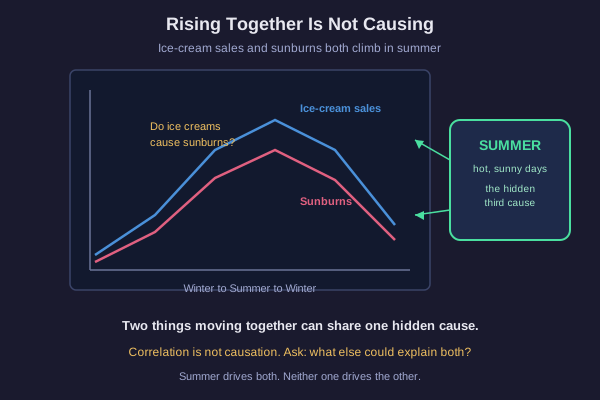
Duas Coisas Subindo Juntas
Aqui está uma das formas mais comuns de ser enganado. Quando duas coisas acontecem juntas, é tentador dizer que uma causou a outra. Muitas vezes, nenhuma das duas causou a outra.
Olhe para a imagem. No verão, as vendas de sorvete aumentam. No verão, as queimaduras de sol também aumentam. Elas sobem e descem juntas. Comer sorvete causa queimaduras de sol? Claro que não.
Ambos são causados por uma terceira coisa oculta: o verão. Dias quentes e ensolarados levam as pessoas a sair para comprar sorvete e também para se expor ao sol, onde se queimam. O verão impulsiona ambos. Nenhum dos dois causa o outro.
Quando duas coisas se movem juntas, isso é chamado de correlação. Uma correlação é uma pista que vale a pena notar, mas não é prova de que uma causou a outra. Pergunte sempre: o que mais poderia explicar ambas? Uma causa oculta ou uma simples coincidência é frequentemente a resposta real.
Identifique a Causa Real
Sua Vez
Um estudo descobre que cidades com mais bombeiros também têm mais danos causados por incêndios. Alguém conclui: 'Bombeiros causam danos por incêndio, então devemos contratar menos deles.'
Verifique uma Afirmação Surpreendente
Quanto Maior a Surpresa, Mais Difícil é a Verificação
Afirmações surpreendentes se espalham mais rápido, e também são as mais propensas a estar erradas, exageradas ou desatualizadas. Antes de acreditar ou encaminhar uma afirmação chocante, desacelere e a submeta às suas ferramentas de verificação.
Uma lista de verificação rápida para qualquer afirmação surpreendente:
1. Qual é a evidência? Existe suporte real ou apenas uma voz confiante?
2. De onde veio? Rastreie até a fonte original, não até a décima pessoa que o repetiu.
3. Mais de uma fonte independente concorda? Ou é a mesma alegação copiada por aí?
4. Está atualizado? Números antigos e preços antigos ficam desatualizados.
Isso se aplica a qualquer fonte: um resultado de busca, um aplicativo, uma avaliação, uma resposta automatizada, um título, um amigo. Nenhum deles tem isenção automática apenas porque soa certo.
Seu Plano de Verificação
Sua Vez
Você vê uma publicação que afirma: 'Cientistas dizem que agora está provado que o chocolate te torna 30% mais inteligente.' É surpreendente, não tem link e está sendo compartilhado rapidamente.