स्वागत है
जब आप अनिश्चित हों, तब अच्छे निर्णय कैसे लें
हर दिन आप ऐसे विकल्प चुनते हैं जिनके परिणाम के बारे में आपको बिल्कुल पता नहीं होता। स्कूल के लिए कौन सा रास्ता? क्या आपको हमारी टीम के लिए प्रवेश परीक्षा (try out) देनी चाहिए? क्या आप अपना पैसा अभी खर्च करें या बचाएं?
कोई भी हमारा भविष्य नहीं देख सकता। लेकिन आप फिर भी अच्छा चुनाव कर सकते हैं। समझदारी भरे निर्णयकर्ता बेतरतीबाना अंदाजा नहीं लगाते और वे जमकर नहीं बैठते। वे अपने विकल्पों का मूल्यांकन करते हैं।
इस पाठ में आप चार उपकरण सीखेंगे: किसी विकल्प को उसके संभावित परिणाम (सिर्फ उसके सर्वोत्तम मामले) के आधार पर तौलें, दो विकल्पों को उनके औसत (AVERAGE) के आधार पर तुलना करें, एक ऐसे निर्णय को पहचानें जिसे आप वापस कर सकते हैं (UNDO) और एक ऐसे निर्णय को जो आप नहीं कर सकते, और एक अच्छे निर्णय (DECISION) को एक भाग्यशाली परिणाम (OUTCOME) से अलग करें।
सिर्फ सर्वोत्तम परिणाम से आगे
किसी विकल्प को केवल उसके सर्वोत्तम परिणाम (best case) के आधार पर न मापें
किसी विकल्प का सर्वोत्तम परिणाम (best case) बहुत अच्छा हो सकता है, लेकिन फिर भी वह एक खराब दांव हो सकता है, यदि वह सर्वोत्तम परिणाम लगभग कभी नहीं होता है।
उदाहरण: एक लॉटरी टिकट आपको अमीर बना भी सकता है। यह एक शानदार सर्वोत्तम परिणाम है। लेकिन यह लगभग हमेशा आपका एक डॉलर शून्य में बदल देता है। केवल जैकपॉट (jackpot) को देखकर उसका मूल्यांकन करना यह छुपा देता है कि आमतौर पर क्या होता है।
औसतन क्या होता है
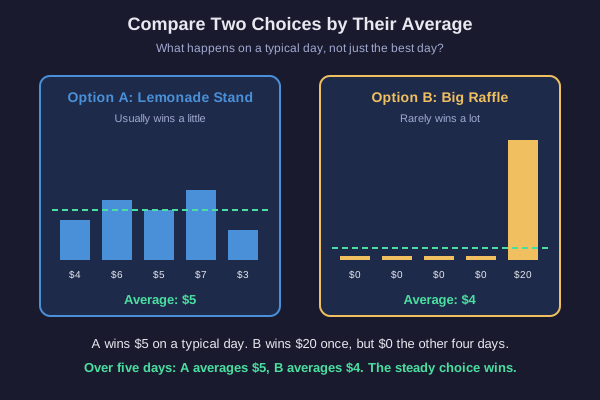
एक ऐसा विकल्प जो आमतौर पर थोड़ा जीतता है, उससे बेहतर हो सकता है जो दुर्लभ रूप से बहुत कुछ जीतता है
दो विकल्पों की तुलना करने के लिए, कल्पना करें कि आप प्रत्येक को कई बार दोहरा रहे हैं और पूछें: मुझे औसतन क्या मिलता है?
हमारे आरेख को देखें। विकल्प A, एक नींबू पानी का स्टॉल, एक सामान्य दिन में लगभग $5 कमाता है: कभी-कभी $3, कभी-कभी $7, लेकिन अधिकांश दिनों में $5 के आसपास।
विकल्प B, एक बड़ा रैफल, अधिकांश दिनों में $0 कमाता है और कभी-कभी $20 कमाता है। पाँच दिनों में फैलाकर, वह $20 औसतन प्रतिदिन केवल लगभग $4 के बराबर आता है।
विकल्प B का सर्वोत्तम मामला बड़ा है ($20, $7 से बेहतर है)। लेकिन विकल्प A एक औसत दिन में अधिक जीतता है। एक ऐसा विकल्प जो आमतौर पर थोड़ा जीतता है, उससे बेहतर हो सकता है जो दुर्लभ रूप से बहुत कुछ जीतता है।
ट्रिक यह है कि औसत (AVERAGES) की तुलना करें, सर्वोत्तम दिनों की नहीं।
औसतन कौन सा विकल्प जीतता है?
तुलना करने की बारी आपकी है
इस सप्ताह पैसे कमाने के दो तरीके:
- विकल्प A (कुत्ते की सैर): एक सामान्य दिन में लगभग $6 कमाता है, हर दिन।
- विकल्प B (स्क्रैच टिकट): अधिकांश दिनों में $0 कमाता है, लेकिन लगभग एक सप्ताह में एक बार $25 कमाता है, जो औसतन लगभग $5 प्रतिदिन के बराबर आता है।
क्या आप इसे पूर्ववत कर सकते हैं?
उल्टे-सीधे (Reversible) बनाम अलौकिक (Irreversible) निर्णय
कुछ निर्णय वापस लेने में आसान होते हैं। कुछ को वापस नहीं किया जा सकता। यह अंतर यह तय करता है कि आपको अपने चुनाव कितनी सावधानी से करने चाहिए।
उल्टा-सीधा (Reversible) का मतलब है कि आप इसे वापस कर सकते हैं। नया लंच, नया रास्ता, नया शौक आज़माना: अगर यह काम नहीं आता, तो आप वापस पुराने पर लौट जाते हैं। इन्हें आज़माने की लागत कम होती है, इसलिए आप बस आज़माकर देख सकते हैं।
अलौकिक (Irreversible) का मतलब है कि आप इसे वापस नहीं कर सकते, या इसे वापस करने की लागत बहुत अधिक होती है। अपनी सारी बचत खर्च करना, बैकअप के बिना कोई फ़ाइल डिलीट करना, या किसी दोस्त को कुछ कड़वाहट भरा कहना। इनके लिए कार्रवाई करने से पहले अतिरिक्त सावधानी बरतना ज़रूरी है।
पुराने किसानों में एक कहावत थी: अपनी फ़ार्म पर दांव न लगाएं। आज़माकर देखने वाले विकल्प पर थोड़ा जोखिम उठाएं, लेकिन एक ही दांव पर वह सब कुछ जोखिम में न डालें जिसे आप वापस नहीं पा सकते।
तो नियम सरल है: अगर आप इसे आसानी से वापस कर सकते हैं, तो स्वतंत्र रूप से प्रयोग करें। अगर आप इसे वापस नहीं कर सकते, तो पहले धीमे हों और गहरी सोच करें।
आज़माकर देखें, या सावधानी बरतें?
आपकी बारी
यहाँ दो निर्णय दिए गए हैं:
- (A) एक बहादुर नया हेयरस्टाइल आज़माना, जो कुछ ही हफ्तों में वापस बढ़ जाएगा।
- (B) अपने बाल पर एक बड़ा स्थायी टैटू बनवाना।
अच्छा निर्णय भी अशुभ हो सकता है
अच्छा निर्णय अच्छे परिणाम के बराबर नहीं होता
यह पूरे पाठ का एक सबसे महत्वपूर्ण विचार है: आप एक अच्छा निर्णय ले सकते हैं और फिर भी एक बुरा परिणाम प्राप्त कर सकते हैं। और आप एक बुरा निर्णय ले सकते हैं और भाग्यशाली हो सकते हैं।
एक अच्छा निर्णय इसका मतलब है कि आपने अपनी उपलब्ध जानकारी का उपयोग किया और संभावनाओं का समझदारी से मूल्यांकन किया। एक अच्छा परिणाम इसका मतलब है कि यह बस ऐसे ही काम आ गया। भाग्य इन दोनों के बीच में होता है।
उदाहरण: आप हर सवारी में सीट बेल्ट बांधते हैं। यह एक अच्छा निर्णय है, भले ही उन दिनों कुछ न हो। यदि एक सावधानी बरतने वाले ड्राइवर को भी एक लापरवाह ड्राइवर से टकराव होता है, तो सीट बेल्ट का निर्णय फिर भी अच्छा था: परिणाम बस अशुभ था।
किसी निर्णय का मूल्यांकन केवल उसके परिणाम के आधार पर करना 'परिणाम पूर्वाग्रह' (outcome bias) कहलाता है। यह लोगों को भाग्यशाली गलतियों की नकल करने और उन समझदार चयनों को सज़ा देने के लिए धोखा देता है जो अशुभ साबित हुए।
तो जब आप किसी विकल्प की समीक्षा करते हैं, तो दो अलग-अलग प्रश्न पूछें। क्या मेरे पास जो जानकारी थी, उसके हिसाब से वह निर्णय उचित था? और क्या परिणाम अच्छा या बुरा था? ये दोनों एक ही प्रश्न नहीं हैं।
बुरा निर्णय, या बुरा भाग्य?
आपकी बारी
मारिया ने पूर्वानुमान (forecast) देखा: 80% की संभावना थी कि मौसम साफ रहेगा। इसलिए उसने अपनी जन्मदिन की पार्टी बाहर आयोजित करने की योजना बनाई। फिर भी एक दुर्लभ तूफान आ गया और पार्टी बारिश में रुक गई। उसकी दोस्त ने तमाशा करते हुए कहा, 'बहुत बुरा निर्णय लिया, मारिया!'
निर्णय का मालिक बनना
मशीनें सुझाव दे सकती हैं: आप निर्णय लें
अब आपके पास चार उपकरण हैं: संभावित परिणाम के आधार पर किसी विकल्प का मूल्यांकन करें, उनके औसत के आधार पर विकल्पों की तुलना करें, उल्टे (reversible) और अलौक (irreversible) को अलग करें, और एक अच्छे निर्णय को एक भाग्यशाली परिणाम से अलग करें।
ये उपकरण हर साल और अधिक महत्वपूर्ण हो रहे हैं, क्योंकि स्वचालित सहायक अब हर जगह सुझाव दे रहे हैं: एक मैप ऐप आपका मार्ग चुनता है, एक शॉपिंग साइट एक उत्पाद की सिफारिश करती है, और एक अध्ययन टूल अगला क्या पढ़ना है यह सुझाता है।
ये उपकरण वास्तव में उपयोगी हो सकते हैं। ये आपसे तेजी से संभावनाओं की गणना करते हैं। लेकिन एक सुझाव एक निर्णय नहीं है। टूल को आपकी लक्ष्य, आपके मूल्य, या यह पता नहीं है कि आप कितना खोने के लिए सक्षम हैं।
इसलिए, किसी भी स्वतः-संचालित सुझाव को टेबल पर मौजूद एक आवाज़ के रूप में मानें। वही सवाल पूछें: आमतौर पर क्या होता है, केवल सर्वोत्तम परिणाम नहीं? औसत (averages) की तुलना कैसे है? अगर यह गलत साबित होता है, तो क्या मैं इसे पूर्ववत कर सकता/सकती हूँ? संभावनाओं का आकलन करना और निर्णय की ज़िम्मेदारी लेना आपका काम है।