Witaj
Podejmowanie dobrych decyzji, gdy nie masz pewności
Codziennie podejmujesz wybory, nie znając dokładnie ich skutków. Jaką drogą pójść do szkoły? Czy zgłosić się do naszej drużyny? Czy wydać pieniądze teraz, czy odłożyć je na później?
Nikt nie widzi naszej przyszłości. Ale nadal możesz podejmować dobre wybory. Mądrzy decyzyjni nie zgadują na chybił-rachował i nie paraliżują się. Rozważają swoje opcje.
W tej lekcji nauczysz się czterech narzędzi: oceniać wybór według jego PRAWDOPODOBNEGO wyniku (a nie tylko jego najlepszego scenariusza), porównywać dwa wybory według ich ŚREDNIEJ, rozróżniać decyzję, którą można ODWRÓCIĆ, od tej, której nie można, oraz oddzielać dobrą DECYZJĘ od szczęśliwego WYNIKU.
Więcej niż najlepszy scenariusz
Nie oceniaj wyboru wyłącznie po jego najlepszym scenariuszu
Wybór może mieć wspaniały najlepszy scenariusz, a mimo to być złym zakładem, jeśli ten najlepszy scenariusz prawie nigdy się nie zdarza.
Przykład: bilet na loterię MOŻE uczynić Cię bogatym. To świetny najlepszy scenariusz. Ale prawie zawsze zamienia Twój dolar w nic. Ocena go wyłącznie po głównej nagrodzie ukrywa to, co zazwyczaj się dzieje.
Co dzieje się w średniej
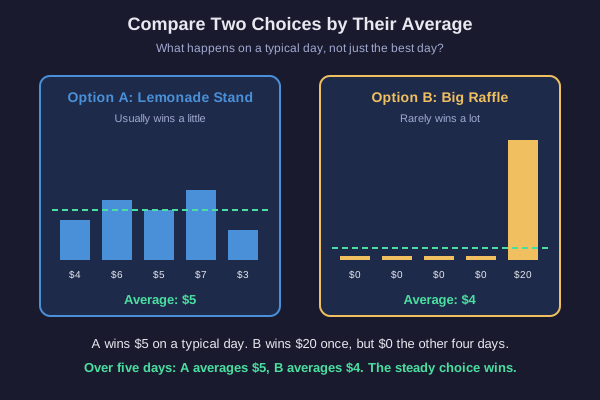
Wybór, który zwykle wygrywa trochę, może pokonać ten, który rzadko wygrywa dużo
Aby porównać dwa wybory, wyobraź sobie, że powtarzasz każdy z nich wiele razy i zapytaj: co dostaję W ŚREDNIEJ?
Spójrz na nasz diagram. Opcja A, stoisko z lemoniadą, zarabia około 5 $ w typowym dniu: czasem 3 $, czasem 7 $, ale w większości dni około 5 $.
Opcja B, duża loteria, przynosi $0 w większości dni i $20 raz na jakiś czas. Rozłożone na pięć dni, te $20 dają średnio około $4 dziennie.
Opcja B ma lepszy najlepszy scenariusz ($20 bije $7). Ale opcja A wygrywa więcej w typowym dniu. Wybór, który zwykle wygrywa odrobinę, może pokonać wybór, który rzadko wygrywa dużo.
Chodzi o porównanie ŚREDNICH, a nie najlepszych dni.
Który wybór wygrywa średnio?
Twoja kolej na porównanie
Dwa sposoby na zarobienie pieniędzy w tym tygodniu:
- Opcja A (wyprowadzanie psów): przynosi około $6 w typowym dniu, każdego dnia.
- Opcja B (losy na loterii): przynosi $0 w większości dni, ale mniej więcej raz w tygodniu wypada $25, co daje średnio około $5 dziennie.
Czy możesz to cofnąć?
Decyzje odwracalne i nieodwracalne
Niektóre decyzje łatwo cofnąć. Innych nie da się odwrócić. Ta różnica powinna wpłynąć na to, jak starannie wybierasz.
Odwracalne oznacza, że możesz to cofnąć. Wypróbowanie nowego obiadu, nowej trasy, nowego hobby: jeśli się nie sprawdzi, wracasz do poprzedniego. Tego typu rzeczy są tanie w teście, więc możesz po prostu WYPRÓBOWAĆ I ZOBACZYĆ.
Nieodwracalne oznacza, że nie możesz tego cofnąć, albo odwrócenie tego kosztuje bardzo dużo. Wydatkowanie wszystkich oszczędności, usunięcie pliku bez kopii zapasowej, powiedzenie komuś bliskiemu okrutnej rzeczy. Te zasługują na dodatkową ostrożność PRZED podjęciem działania.
Stary rolnicy mieli przysłowie: nie stawiaj na szali całej farmy. Ryzykuj trochę przy wyborze typu „wypróbuj i zobacz”, ale nigdy nie ryzykuj wszystkiego, czego nie da się odzyskać, w jednej partii.
Zatem zasada jest prosta: jeśli możesz to łatwo cofnąć, eksperymentuj swobodnie. Jeśli nie możesz tego cofnąć, zwolnij i pomyśl dokładnie najpierw.
Wypróbuj i zobacz, czy zachowaj ostrożność?
Twoja kolej
Oto dwie decyzje:
- (A) Wypróbowanie odważnej, nowej fryzury, która odrośnie w ciągu kilku tygodni.
- (B) Robienie dużego, trwałego tatuażu na ramieniu.
Dobra decyzja może przynieść pecha
Dobra decyzja to nie to samo co dobry wynik
Oto jedna z najważniejszych idei w całej tej lekcji: możesz podjąć DOBRĄ decyzję i nadal otrzymać ZŁY wynik. A możesz podjąć ZŁĄ decyzję i mieć szczęście.
Dobra DECYZJA oznacza, że wykorzystałeś dostępne informacje i rozsądnie oceniłeś prawdopodobieństwo. Dobry WYNIK oznacza, że akurat wszystko się ułożyło. Szczęście mieści się gdzieś pośrodku.
Przykład: zapinasz pasy bezpieczeństwa przy każdej jeździe. To jest dobra decyzja, nawet w dni, gdy nic się nie dzieje. Jeśli ostrożny kierowca zostanie uderzony przez nieodpowiedzialnego, decyzja o zapięciu pasów nadal była dobra: wynik był po prostu pechowy.
Ocenianie decyzji wyłącznie na podstawie tego, jak się skończyła, nazywa się błędem wyniku. Zmyśla ludziom, skłaniając ich do powielania szczęśliwych błędów i karania mądrych wyborów, które przyniosły pechowy rezultat.
Gdy więc analizujesz jakąś decyzję, zadaj sobie dwa osobne pytania. Czy decyzja była rozsądna w świetle tego, co wiedziałem? I czy wynik był dobry, czy zły? To nie jest to samo pytanie.
Zła decyzja czy zły los?
Twoja kolej
Maria sprawdziła prognozę: 80% szans na słońce. Dlatego zaplanowała urodzinową imprezę na świeżym powietrzu. Mimo to nadciągnął rzadki sztorm i impreza została odwołana przez deszcz. Jej przyjaciółka westchnęła: „To była fatalna decyzja, Mario!”
Odpowiedzialność za decyzję
Maszyny mogą sugerować: Ty decydujesz
Masz teraz cztery narzędzia: wycena wyboru na podstawie jego prawdopodobnego wyniku, porównywanie wyborów na podstawie ich średniej, rozróżnianie decyzji odwracalnych od nieodwracalnych oraz rozdzielenie dobrej decyzji od szczęśliwego wyniku.
Te narzędzia zyskują na znaczeniu z każdym rokiem, ponieważ automatyczne asystenci teraz wszędzie oferują sugestie: aplikacja mapowa wybiera trasę, strona zakupowa poleca produkt, narzędzie do nauki sugeruje, co należy powtórzyć w następnej kolejności.
Te narzędzia mogą być naprawdę przydatne. Przetwarzają prawdopodobieństwa szybciej niż Ty. Ale sugestia nie jest decyzją. Narzędzie nie zna Twoich celów, Twoich wartości ani tego, co możesz stracić.
Traktuj więc każdą automatyczną sugestię jako jeden z głosów przy stole. Zadawaj te same pytania: co zwykle się dzieje, a nie tylko w najlepszym przypadku? Jak porównują się średnie? Czy mogę to cofnąć, jeśli coś pójdzie nie tak? Ocena szans i ponoszenie odpowiedzialności za decyzję pozostają w Twoich rękach.